
I went into this film armed with the relentless barrage of negative chatter: jingoism, toxic masculinity, excessive violence, propaganda, too long. Every review seemed determined to warn me off. But I watch every Hindi film that screens here in Portsmouth, UK, and this one was different.
For the first time in years, the theater was full house. Let that sink in: a full-house Hindi movie screening in the UK. Clearly, something about this film is resonating, regardless of the criticism.
Here is my take, straight from the seat, focusing on what this movie is truly trying to achieve.
⏳ Pacing and Length: A Thrill of Content
The first major point of contention is the runtime. At three and a half hours, you expect an endurance test. Instead, I found the film “definitely not” long.
The narrative is so dense and compelling that it created a sense of anticipation. Two hours in, I was energized, not tired: “I was like, it’s not even interval, what all things are they going to show…”—I was excited that there was a lot more story to come. The story is built brick by brick, using public domain facts and real-world events. Except for one song that could potentially be trimmed, the film is remarkably efficient. The content is necessary; nothing felt superfluous or dragged out.
🎭 The Cast: A Showcase of Sidelined Talent
While the story is the backbone, the performances are what truly elevate it.
- Akshaye Khanna: He nailed it—as he always does. His expressions, dialogues, and emotional depth were a treat.
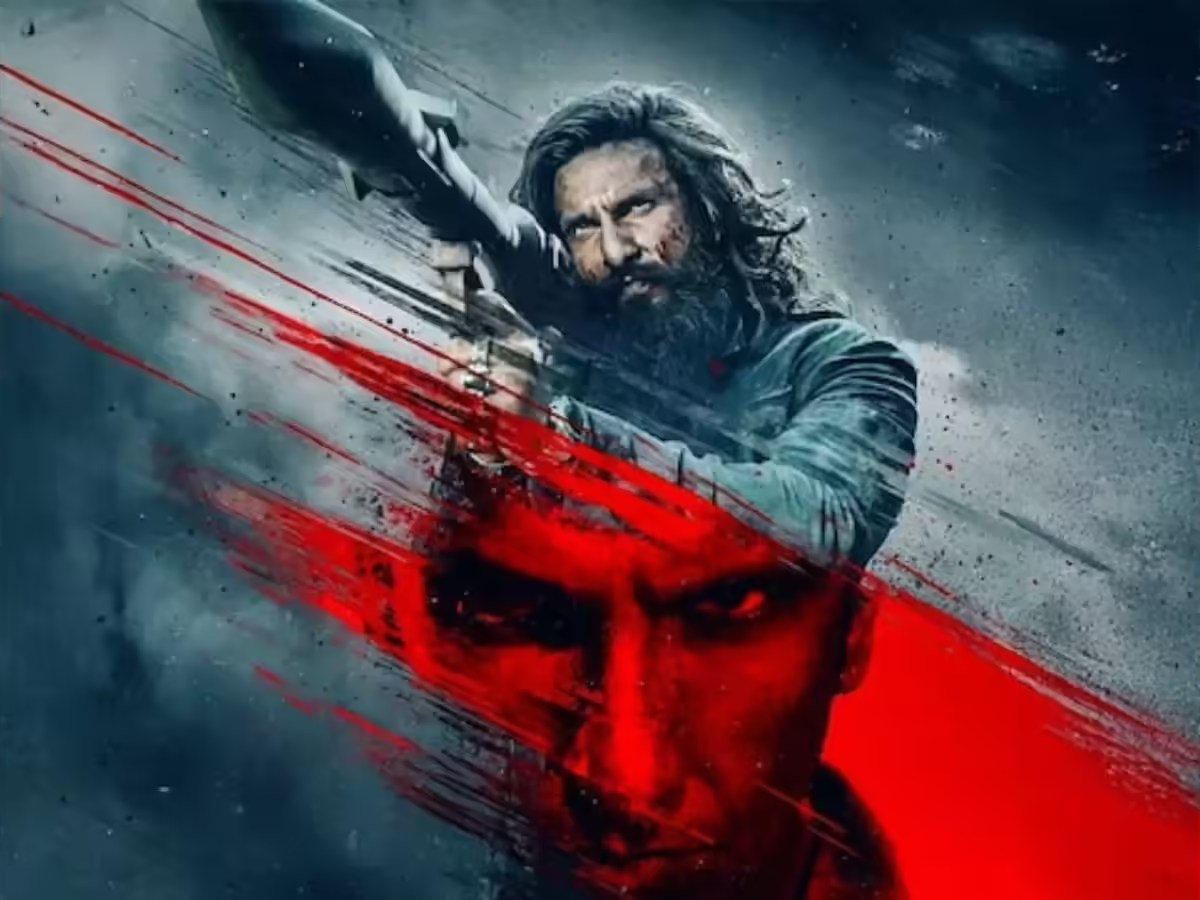
- Ranveer Singh: I’m not typically a big fan, but he played a remarkably decent, grounded role here, no flamboyancy, no overacting . I can’t complain!
- Rakesh Bedi: Brilliant as always. His humor was the perfect icing on the cake, reminiscent of his role in Uri.
- Arjun Rampal/Sanjay Dutt: They had a lot less screen time, but they justified their roles and performance was good.
- R Madhavan: Was impressive as always. Infact, he wasn’t recognizable in his character
⚖️ Fact vs. Fiction: Under the Scanner
This is where the film gets truly interesting and where many critics miss the mark. The film’s strength is its grounding in known history, challenging the viewer to separate the record from the dramatization.
The Facts: The terror attacks, their timelines, demands, publicly issued statements, counterfeit currency, and course of actions are already in the public domain. This film is simply weaving a story around known history. What was new for me was the immersive depiction of Layri and its socio-political chaos. My own post-viewing research confirmed the reality of figures like Uzair Baloch, Rehman Baloch (Rehman Dakait), and SP Aslam Chaudhary, and the existence of the place called Layri in Karachi. Crucially, the gang war, the Baloch Liberation, and Sher-e-Baloch are all real and well-documented. The way the story unfolds in the movie is exactly how it unfolded in the news articles. The historical scaffolding is firm.
The Fiction: The dramatization of the spy’s actions. While we may know such a spy existed, how he did what he did is known only to him or some others (unless he already wrote a book that I am unaware of). That unknown is the space for compelling fiction, which is perfectly imagined and executed in the film.
🩸 The Violence: A Necessary Evil?
Yes, the violence is high and gory. It will make you cringe, and a few scenes unsettled me. But here is the critical question: Haven’t we, as an audience, already been acclimatized to such violence by the relentless media landscape? In recent years, we’ve seen equally graphic and horrific images—from beheaded soldiers on the border to other live incidences—even in the news. The expansion of OTT platforms in India has only sped up this process of exposure.
The key point I want to highlight is that Bollywood previously romanticized everything, including even brutal rapes and the spy universe. Dhurandhar shatters that veneer. If artists were painting monsters and terrorists in a soft light, they were indeed doing a grave injustice to the victims of those horrific acts. This movie shows you how evil truly looks like, embracing a realism that challenges the audience’s comfort zone.
🗺️ A New Genre: Exposing the Pakistani Underworld
Forget the spy angle for a moment. This film opens up a completely new, serious genre for Indian cinema: the depiction of the Pakistani underworld, its tribes, and its gangs—the forces that shape Pakistan today.
I don’t know how some are finding hypernationalism in the movie; the local politics and life depicted were completely new to the viewer and had nothing to do with India. The film simply depicts what is happening there, and the Indian agent merely tries to survive in that jungle. Regarding the accusations of jingoism and toxic masculinity, I suggest that “Jungle Raj” is a far more fitting descriptor for this brutal, all-male criminal ecosystem.
Dhurandhar does for Karachi’s crime world what earlier Bollywood films did for Mumbai’s. The best parallel is Satya‘s impact: What Satya was for Mumbai, Dhurandhar is for Karachi. I am confident this movie will pave the way for other creators to explore similar themes.
Moreover, the film also offers a serious, sustained depiction of the Baloch community. Has there been any other mainstream movie that mentioned the Baloch for more than five minutes? This level of detail provides deep, new context for the viewers.
🚀 The Takeaway: A Cinematic Evolution
I believe Indian cinema is finally breaking out of the bounds and cage it was kept in for decades. The entire ecosystem is shifting toward realism and narrative depth. This is the time of talent, rather than the underworld dictating who gets to be the actor in Bollywood. I remember watching Akshay Khanna in movies like Hungama, Hulchul, and Dil Chahta Hai, and he was brilliant then too, but for some reason, he vanished, maybe the ecosystem
This film is a raw, uncompromising look at a complex reality, and the overwhelming response at the box office suggests audiences are ready for this new, brave kind of storytelling. Looking forward to the next instalment scheduled for March 2026.
What do you think? Is Indian cinema ready to embrace realism, even if it means confronting uncomfortable truths and challenging older narrative norms?
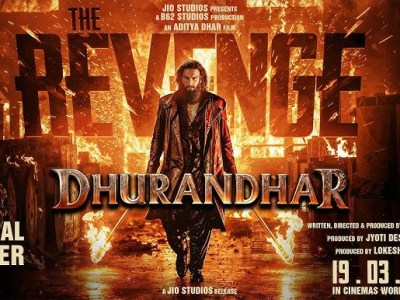
Thanks for reading! Have a look at the trailer if you have already not seen it:
Also read:
- Thamma: Bollywood’s Vampire Saga That’s Too Familiar
- Mandala Murders: A Portal to Elsewhere, Where Imagination Reigns
- The Woman Behind the Iron Lady: A Review of Emergency
- Avrodh- The siege within Season 2; Fact or Fiction?
- The Kashmir Files – Part 2; why you should not watch it!
- Interesting “Tandav” challenges the conventional entertainment in India
- Badshah Babur defeated Shaybani Khan; but only in “The Empire”- the show.
- The Sacred Games we were always a part of







 Infinite Sea of Opportunities
Leave a comment