
Synthesizing the Potential. Engineering the Future…
One blog post at a time.
● Featured Article
-
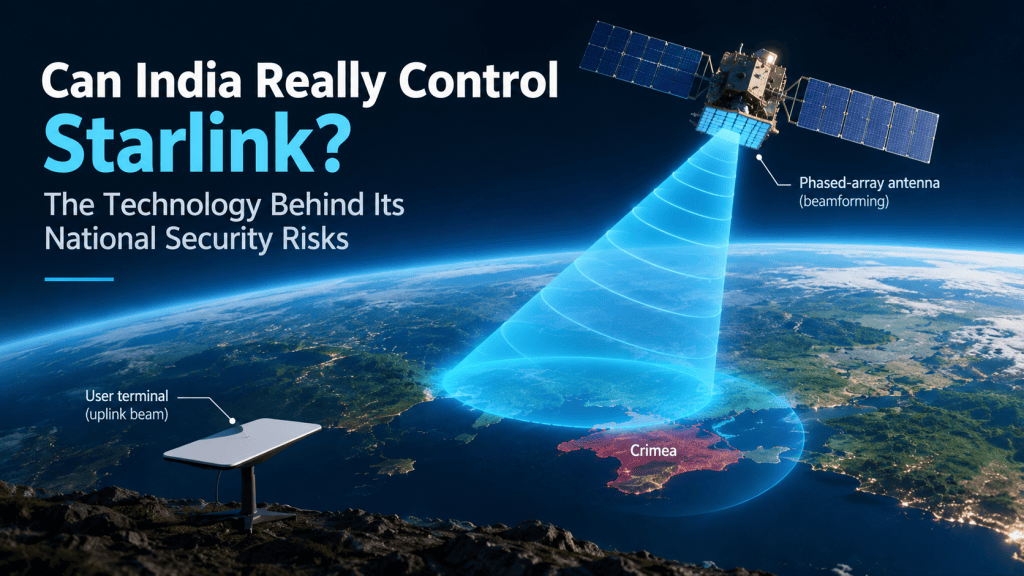
The Russia–Ukraine war has starkly exposed the strategic vulnerabilities that emerge when modern nations rely on private, foreign-controlled satellite constellations for critical national security and military communications. While commercial Low-Earth Orbit (LEO) networks like Starlink proved indispensable in keeping Ukrainian defense forces and civilian infrastructure connected following the systematic destruction of legacy terrestrial communications, the conflict has also demonstrated how operational restrictions—whether driven by corporate terms of service, regulatory compliance, or geopolitical signaling—can directly alter battlefield outcomes. At the center of this debate is a profound systemic risk: What are the long-term technical and strategic implications of allowing a private…
● Latest Articles
-
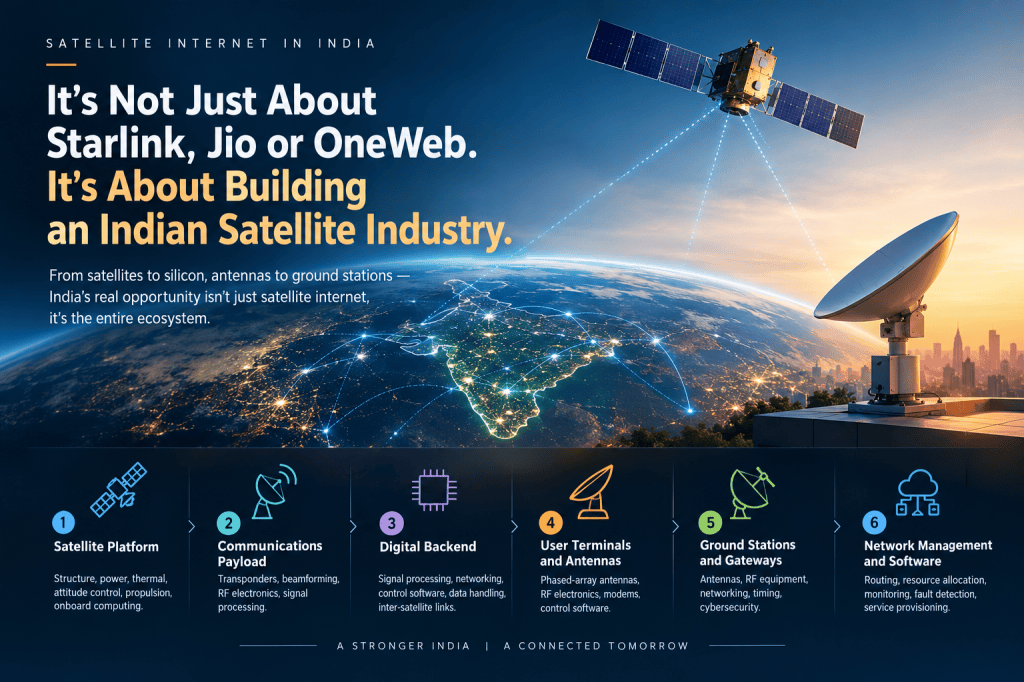
Starlink, OneWeb or Jio? Are we asking the right questions?
The debate over satellite internet in India should not be just about Elon Musk, Mukesh Ambani, spectrum auctions, or national security. It should be about…
-
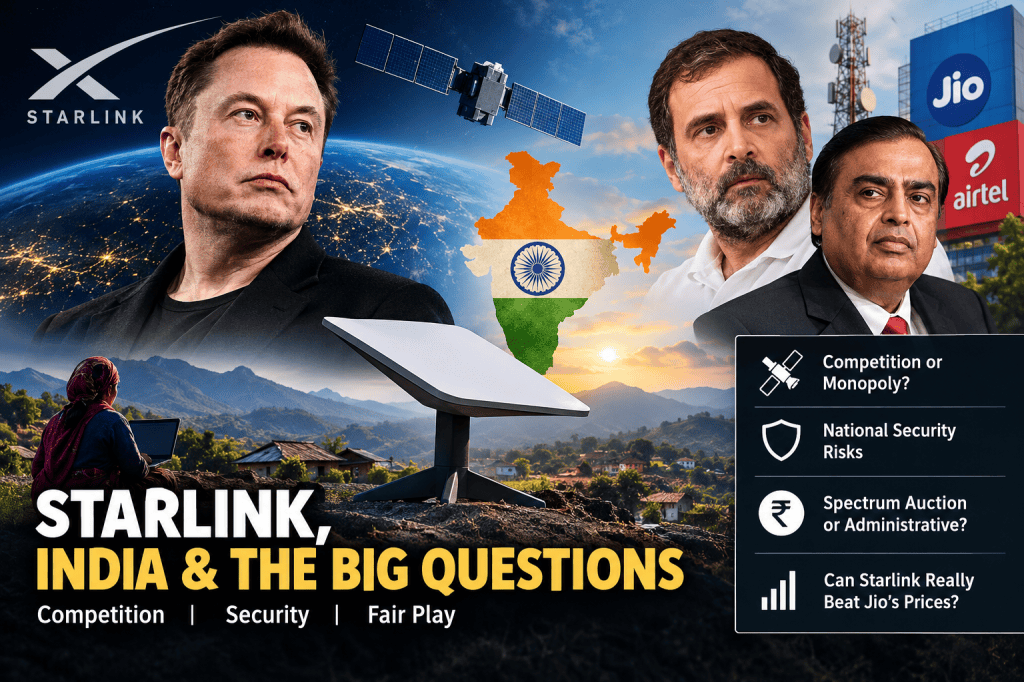
Starlink, Elon Musk and the Indian Market: What Is He Really Fighting For?
Elon Musk is trying to bully his way into the Indian market. Now, as he accuses powerful Indian business interests of obstructing Starlink’s entry, he…
-

Is Uttar Pradesh Finally Catching Up?
India missed the Industrial Revolution. That sentence is almost too simple for the history it tries to contain. Britain industrialised first, followed by parts of…
-

What is the true cost of Film Piracy?
When we think of film piracy, we usually picture a victim with a very fat wallet. A Bollywood blockbuster drops on a Friday. By midnight,…