
Synthesizing the Potential. Engineering the Future…
One blog post at a time.
● Featured Article
-

The Russia–Ukraine war has starkly exposed the strategic vulnerabilities that emerge when modern nations rely on private, foreign-controlled satellite constellations for critical national security and military communications. While commercial Low-Earth Orbit (LEO) networks like Starlink proved indispensable in keeping Ukrainian defense forces and civilian infrastructure connected following the systematic destruction of legacy terrestrial communications, the conflict has also demonstrated how operational restrictions—whether driven by corporate terms of service, regulatory compliance, or geopolitical signaling—can directly alter battlefield outcomes. At the center of this debate is a profound systemic risk: What are the long-term technical and strategic implications of allowing a private…
● Latest Articles
-
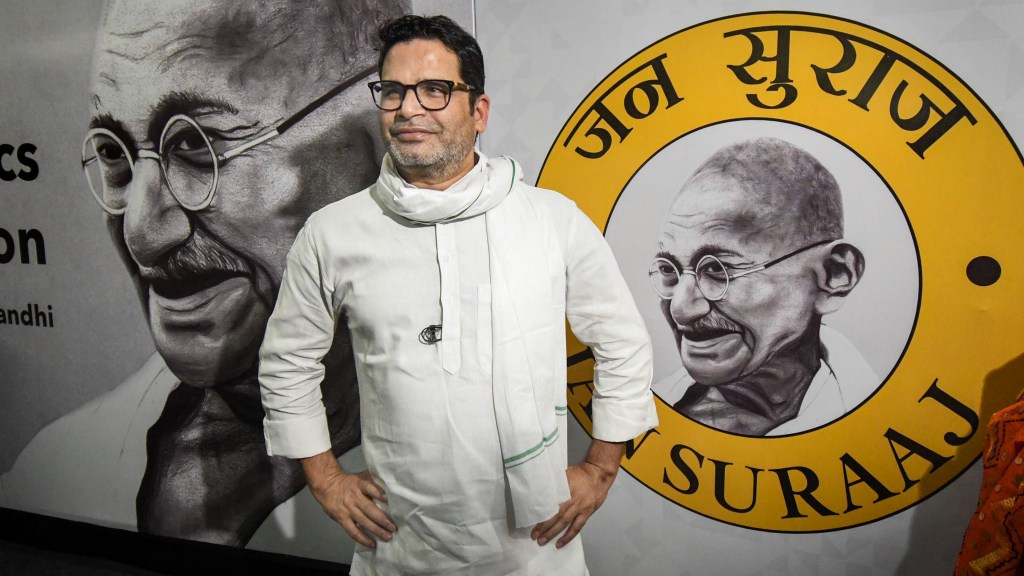
The Prashant Kishor Myth-Bust: Why Jan Suraaj’s “Failure” Exposes India’s Retarded Political Punditry
Stop the funeral music. Prashant Kishor isn’t dead—he’s the only adult left in a kindergarten of Indian political analysis. Jan Suraaj, his three-year-old baby, contested…
-

The end of Tejashwi Yadav and the RJD
Bihar has spoken, and the verdict is brutal: Tejashwi Yadav is finished. Not wounded, not regrouping—finished. The 2025 Assembly election didn’t just hand the NDA…
-
25 Seats, 25 Forts, 1 Vote Bank: The RJD Autopsy
Tejashwi Yadav spent months dominating headlines with fiery rhetoric — promises of “10 lakh jobs by Diwali,” a slick “MY” rebrand (Mahila-Yuva, they claimed, though…
-

The Sham of Indian Feminism: Absent from Cricket’s Triumph, Obsessed with Selective Outrage
The ICC Women’s Cricket World Cup 2025 was nothing short of a national epiphany. On November 2, 2025, in a finale that gripped the country…