
Synthesizing the Potential. Engineering the Future…
One blog post at a time.
● Featured Article
-
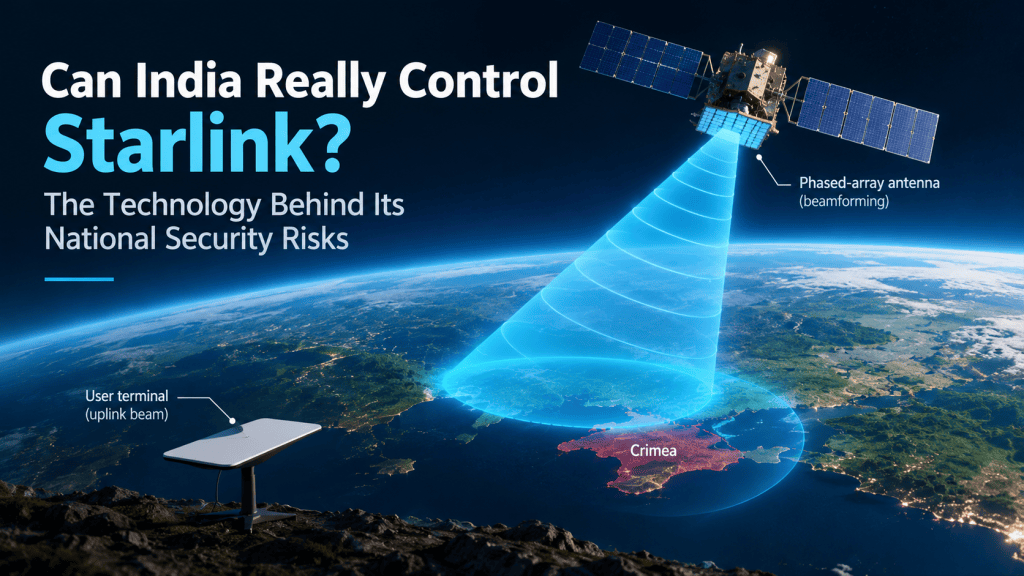
The Russia–Ukraine war has starkly exposed the strategic vulnerabilities that emerge when modern nations rely on private, foreign-controlled satellite constellations for critical national security and military communications. While commercial Low-Earth Orbit (LEO) networks like Starlink proved indispensable in keeping Ukrainian defense forces and civilian infrastructure connected following the systematic destruction of legacy terrestrial communications, the conflict has also demonstrated how operational restrictions—whether driven by corporate terms of service, regulatory compliance, or geopolitical signaling—can directly alter battlefield outcomes. At the center of this debate is a profound systemic risk: What are the long-term technical and strategic implications of allowing a private…
● Latest Articles
-

The Failure of Operation Bunyan al-Marsous and Pakistan’s Precarious Future
On May 10, 2025, with tensions simmering along the Line of Control, Pakistan launched its much-anticipated retaliatory strike—Operation Bunyan al-Marsous; an ambitious counteroffensive named after…
-

A Three-Day War That Shook the War Economy
Operation Sindoor’s 3-day success with S-400 and BrahMos threatens the U.S.’s $205B arms market. Explore India’s defense-first warfare revolution.
-

Center of Gravity? Last Mughal’s Briefing Blunder Steals the Show in India’s S-400 Triumph”
As an electronics engineer obsessed with radar tech, I thought I’d seen it all—until the Last Mughal from Pakistan Aurangzeb for his dramatic flair, tried…
-

Pakistan: A Civil War in Slow Motion
“No water. No food. No hope.” These aren’t just words—they’re the dying gasps of a nation collapsing under its own weight. In April 2025, India’s…