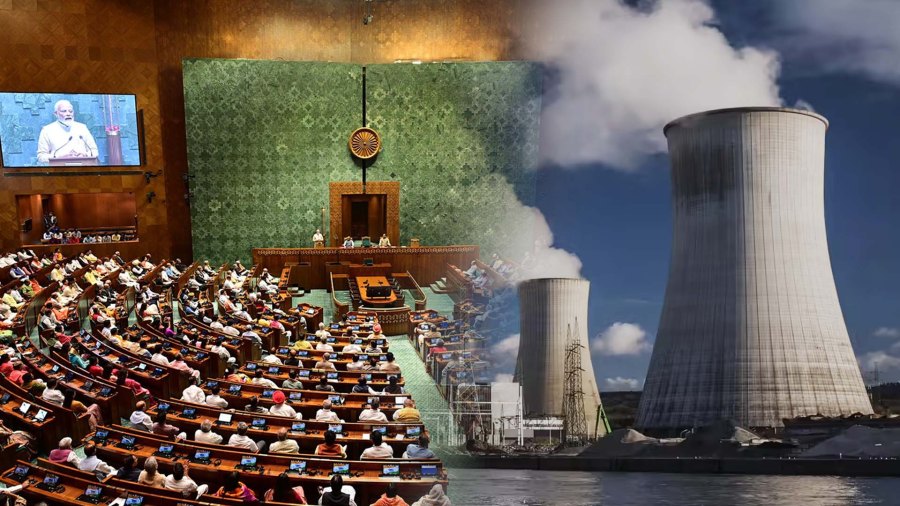
The SHANTI Bill 2025 Explained: Nuclear Liability, Compensation, and the Politics Behind the Debate

The passage of the Sustainable Harnessing and Advancement of Nuclear Energy for Transforming India (SHANTI) Bill, 2025 in the Lok Sabha marks a fundamental reset of India’s nuclear doctrine. By repealing the outdated Atomic Energy Act, 1962 and the Civil Liability for Nuclear Damage (CLND) Act, 2010, the government has cleared a path for a…

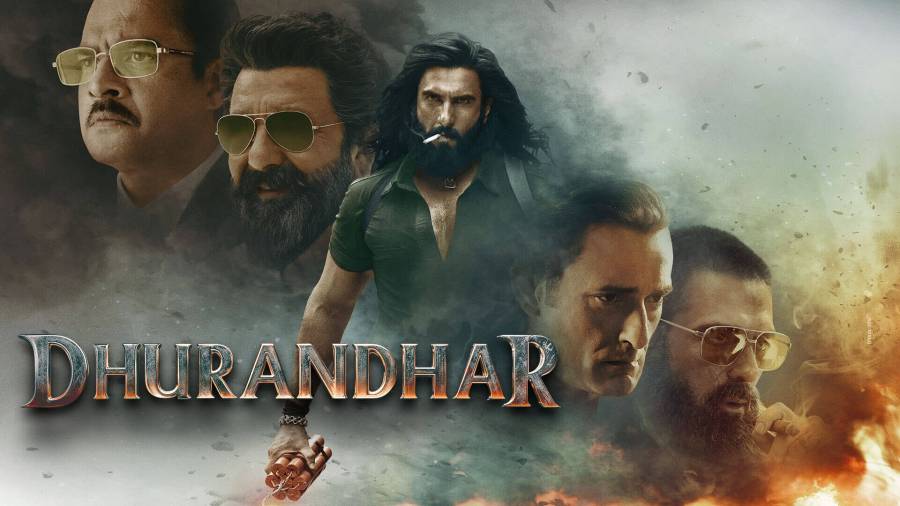
Why Dawood Ibrahim Cannot Be the Bade Sahab of Dhurandhar? Tracing Pakistan’s Military History!

The shadowy figure known only as "Bade Sahab" is the central, unseen tormentor of the film Dhurandhar. He is the ultimate puppet master who connects the street-level drug trade of Karachi to the highest echelons of state-sponsored terror. The puzzle of his identity is brilliantly complicated by the film’s narrative structure, which suggests a constant,…

Fact vs. Fiction: What the film Dhurandhar Reveals About India’s Currency Security Crisis

Theatres are currently alight with debate over Dhurandhar’s unflinching portrayal of Pakistan's underworld. Yet, amidst the on-screen action, the movie drops a geopolitical bombshell: the assertion that the high-quality Fake Indian Currency Notes (FICN) flooding the Indian economy could only have been produced with inside help—specifically, by someone in India providing the blueprint of the…

The Cultural Trauma of Dhurandhar: Why ‘Arfa Khanum’ Can’t Reconcile with the New Reality

The hysterical backlash against Dhurandhar has nothing to do with "politics" or even "Pakistan-bashing." It's a full-blown cultural trauma for a particular generation of commentators—the ones personified by the classic 'Arfa Khanum' archetype. She's not critiquing a movie. She's mourning. Mourning the sudden, violent death of the comforting moral universe that Bollywood spent decades constructing,…

What the Aviation Crisis Reveals About Accountability in India’s Transport Governance

The recent meltdown at India’s largest airline, leading to thousands of cancellations, was a systemic failure—not just an operational blunder by a single carrier. While IndiGo's lean staffing model was the immediate trigger, the Ministry of Civil Aviation (MoCA) and the Directorate General of Civil Aviation (DGCA) are the bigger culprits. The narrative that pins…