
On April 22, 2025, a terror attack in Pahalgam, Jammu and Kashmir, killed 26 people, prompting India to launch Operation Sindoor on May 7. The mission targeted nine terror sites in Pakistan and Pakistan-occupied Jammu and Kashmir (PoJK), obliterating Lashkar-e-Taiba (LeT) and Jaish-e-Mohammed (JeM) infrastructure with surgical precision. In just 72 hours, India’s ironclad missile defense systems forced Pakistan to yield, ending the conflict before it could escalate into war. Yet, this fleeting operation sent shockwaves throughout the globe.
On May 7, Vice President JD Vance dismissed the conflict as “none of our business,” echoing Donald Trump’s “America First” stance. But by May 10, Trump was on Truth Social, claiming he brokered a “full and immediate ceasefire.” Why the sudden shift?
What Changed in Three Days?
A lot. More than meets the eye.
The answer lies in money, power, and a shattered narrative that could cost the U.S. its dominance in the $2.2 trillion arms market, threatening the trillion-dollar war economy!
War Is a Business. Always Has Been.
The U.S., the world’s top arms dealer, exported $205 billion in weapons in 2023, from F-35 jets to Patriot systems. For three years, the Russia-Ukraine war was their showroom, with NATO and outlets like CNN, BBC, Reuters, and Defense News claiming Russia’s S-400 air defense system was a failure. Ukrainian reports, amplified by NATO, alleged 12 S-400 systems were destroyed by U.S.-supplied ATACMS, UK’s Storm Shadow, and Neptune missiles by 2024, though evidence was often unverified. The narrative was clear: Russian systems couldn’t compete, so buy American.
Then came Operation Sindoor.
Three Days. Zero Impact. A Strategic Defeat for Pakistan.
In 72 hours, India’s defense shield—S-400, Akash SAM, and DRDO’s Akashteer (India’s air defense coordination system)—rendered Pakistan’s arsenal impotent. The Indian Ministry of Defence reported that the S-400, dubbed Sudarshan Chakra, tracked over 300 Pakistani drones and missiles at 600 km, intercepting 95% within its 400 km kill zone. Integrated with Akashteer’s command-and-control and NavIC navigation, it neutralized Pakistan’s Babur cruise missiles and Fatah ballistic missiles, ensuring no strategic Indian target was hit. Indigenous Nagastra-1 drones outmaneuvered Pakistani counterparts, while HAL’s Prachand helicopters delivered high-altitude strikes. Even U.S.-made Apache helicopters with Hellfire missiles played a supporting role, showcasing India’s ability to blend foreign and homegrown systems.
Pakistan, unable to penetrate, surrendered by May 10. This wasn’t a war—it was a rout, ended not by U.S. mediation but by India’s impenetrable defense.
S-400 Works. DRDO Works. And That’s a Problem.
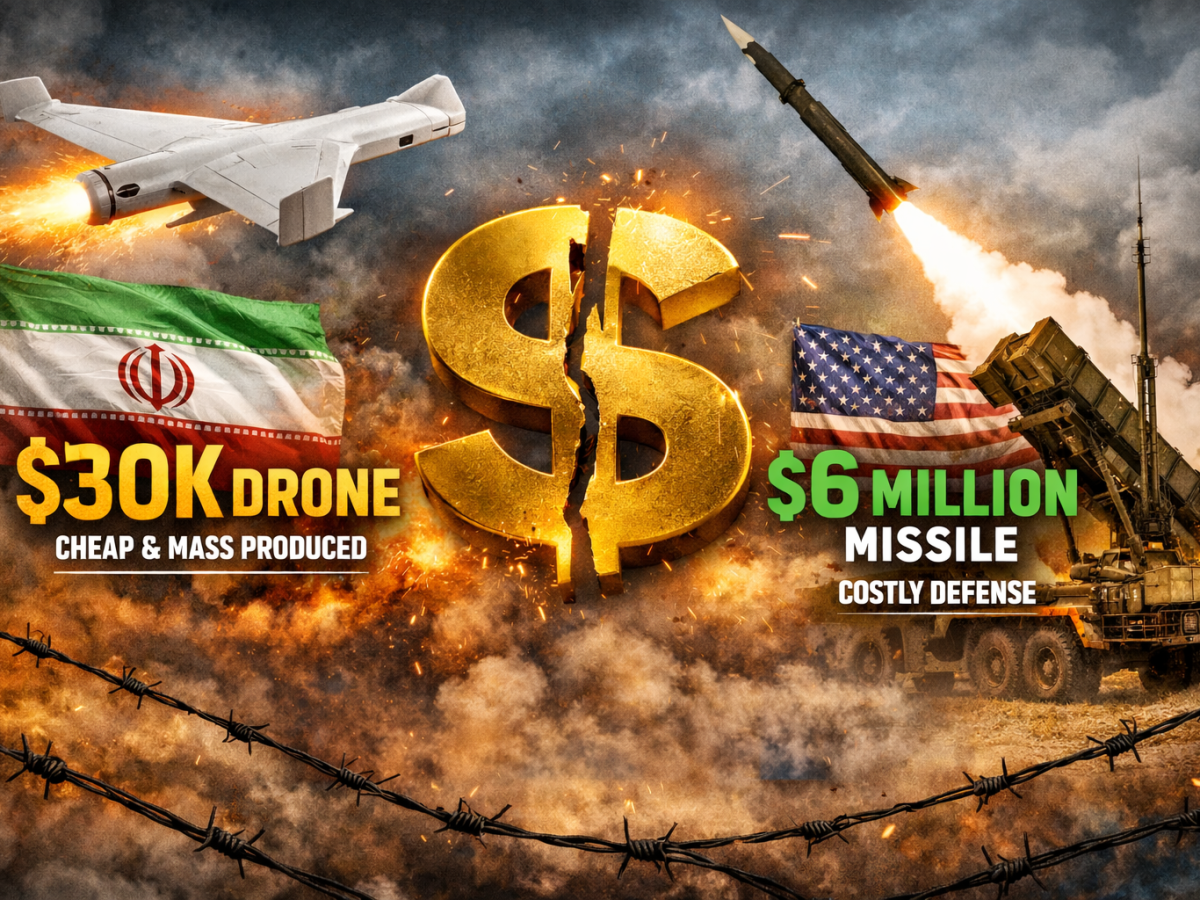
For three years, Washington and London dismissed the S-400 as overhyped. Sindoor proved them wrong. DRDO chief Samir V. Kamat hailed the operation as a “testament to India’s integrated defense ecosystem.” The West now faces a dilemma: admit DRDO’s scientists have crafted a world-class system, or concede the S-400’s prowess, dismantling their Ukraine-war propaganda. Both options threaten U.S. arms giants like Lockheed Martin and Raytheon, whose Patriot system costs twice as much as the S-400.
India’s success wasn’t just technical—it was philosophical. By prioritizing defense, India ended a conflict in days, unlike U.S.-led wars in Vietnam, Iraq, Afghanistan or Ukraine, which dragged on for years, fattening defense contractors’ wallets.
Why Trump Jumped In
Trump’s ceasefire claim was no diplomatic triumph—it was damage control to protect Lockheed Martin’s F-35 sales and the broader U.S. arms market. India’s self-reliance, showcased by BrahMos, Prachand, and Akashteer, is slashing U.S. imports (down from 46% to 36% of India’s defense spend, 2018–2022). India’s defense exports, at ₹23,622 crore in 2024, are set to hit ₹50,000 crore by 2029, with BrahMos competing against U.S. Tomahawk missiles in markets like the Philippines and Vietnam. Countries like Armenia, already buying Indian systems, are taking note.
The trigger? India’s strike on Pakistan’s Nur Khan airbase, near its nuclear command, sparked fears of escalation. Pakistan’s plea for U.S. mediation gave Trump an opening to claim credit, downplaying India’s unilateral victory. His talk of trade leverage—“If you stop it, we’re doing trade; if you don’t, no trade”—was rebuffed by India’s External Affairs Ministry, which insisted the ceasefire was bilateral, negotiated by the Directors-General of Military Operations. Trump’s goal? Shift focus from India’s defensive prowess to U.S. diplomatic clout.
India’s Doctrine: Defend First, Deter Next
Operation Sindoor is a case study in defense-first warfare. Why spend billions on offensive strikes when you can exhaust your enemy’s arsenal with systems costing a fraction? India’s layered defense—S-400, Akash, Barak-8—demoralized Pakistan, proving defense can win wars faster, cheaper, and with less blood. Imagine a nation like the Philippines, facing Chinese aggression, choosing India’s Akash over the U.S.’s Patriot. The cost savings could reshape global budgets, with nations prioritizing missile defense systems, counter-drone technologies, and cyber shields.
India’s ethos, rooted in avoiding war, contrasts with the U.S.’s oil-driven conflicts. Operation Sindoor’s three-day success outshone the U.S.’s decades-long wars. If nations adopt this model, the global arms market could shift, reducing demand for costly offensive platforms like the F-35 ($110 million each) or F-16s.
The Real Threat to America
Operation Sindoor is a nightmare for the war economy. The U.S. thrives on prolonged conflicts, but India’s rapid resolution threatens that model. As nations like Brazil and Indonesia eye India’s BrahMos and Akash, the U.S.’s $205 billion arms market faces erosion. India’s success, blending indigenous innovation with systems like the S-400, proves defense isn’t just effective—it is strategic brilliance.
This isn’t just a victory for India—it’s a revolution. In a world addicted to offense, India made defense the new power. And for the U.S.’s war machine, that is the ultimate threat.
Which is more effective: S-400 or Patriot? Vote and comment!
Call to Action: Is defense-first warfare the future paradigm? Can India’s model end conflicts faster and save lives? Share your thoughts and join the debate on how Operation Sindoor’s three-day triumph is rewriting the global war economy!
Thanks for reading!!! Please share this one blog post as much as possible, the people need to know the reality of wars and the war economy and how India and Indians can help. Share Share Share!!!
Also read:









 Infinite Sea of Opportunities
Leave a comment