
Pakistan didn’t boycott India.
It surrendered relevance.
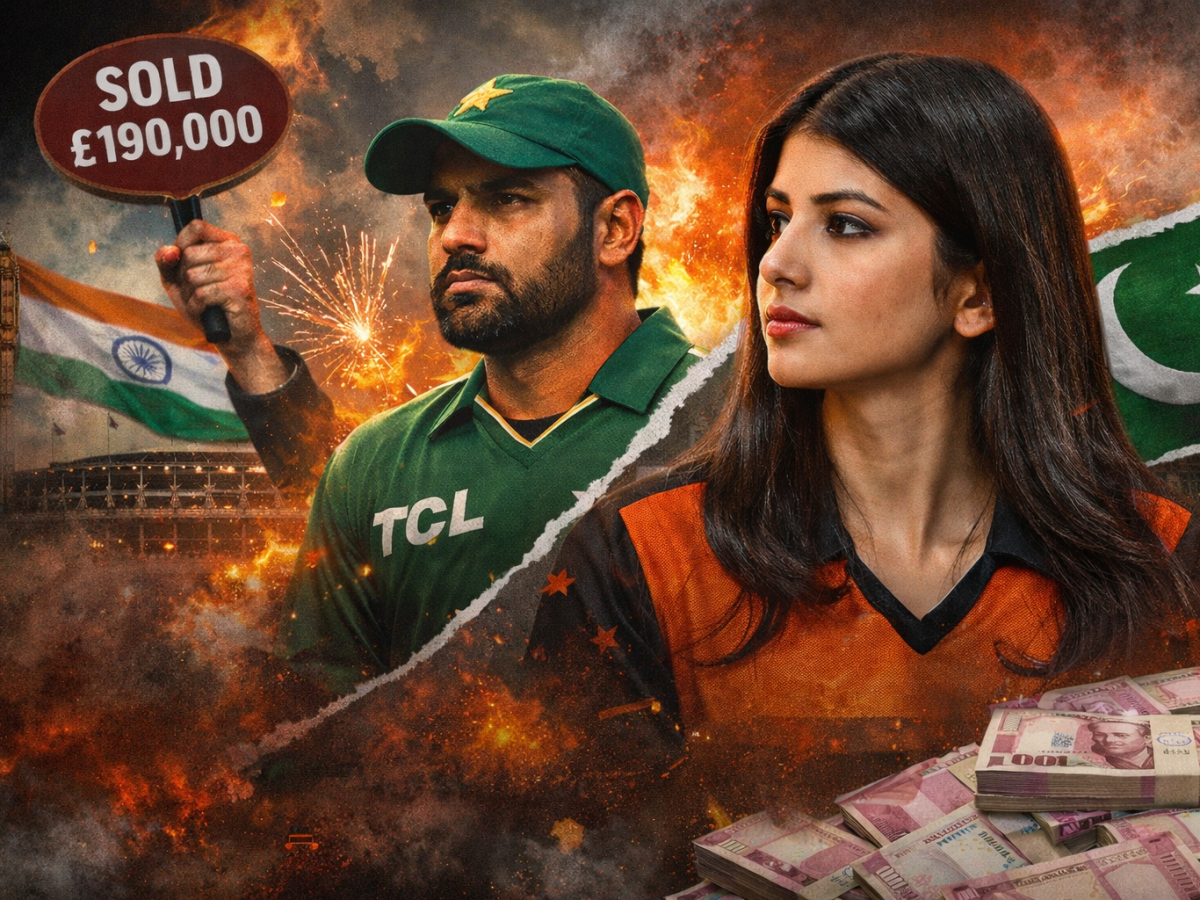
On February 2, 2026, the Pakistani state announced it would not play India in the T20 World Cup in Colombo. The announcement was framed as a “principled stand.” A moral gesture. A show of spine.
In reality, it was a white flag—waved angrily, then denied.
And for Indian cricket fans, it was the best news in years.
Because for the first time in decades, Pakistan has done what India never quite managed to do: it has officially ended the India–Pakistan cricket circus. No ambiguity. No “sport above politics” sermons. No hostage-taking via TRPs.
Just absence.
And that absence is beautiful.
Cricket Diplomacy Didn’t Fade. It Died.
Let’s stop pretending this is sudden.
India–Pakistan cricket didn’t collapse gradually. It didn’t suffer “ups and downs.” It died on November 26, 2008.
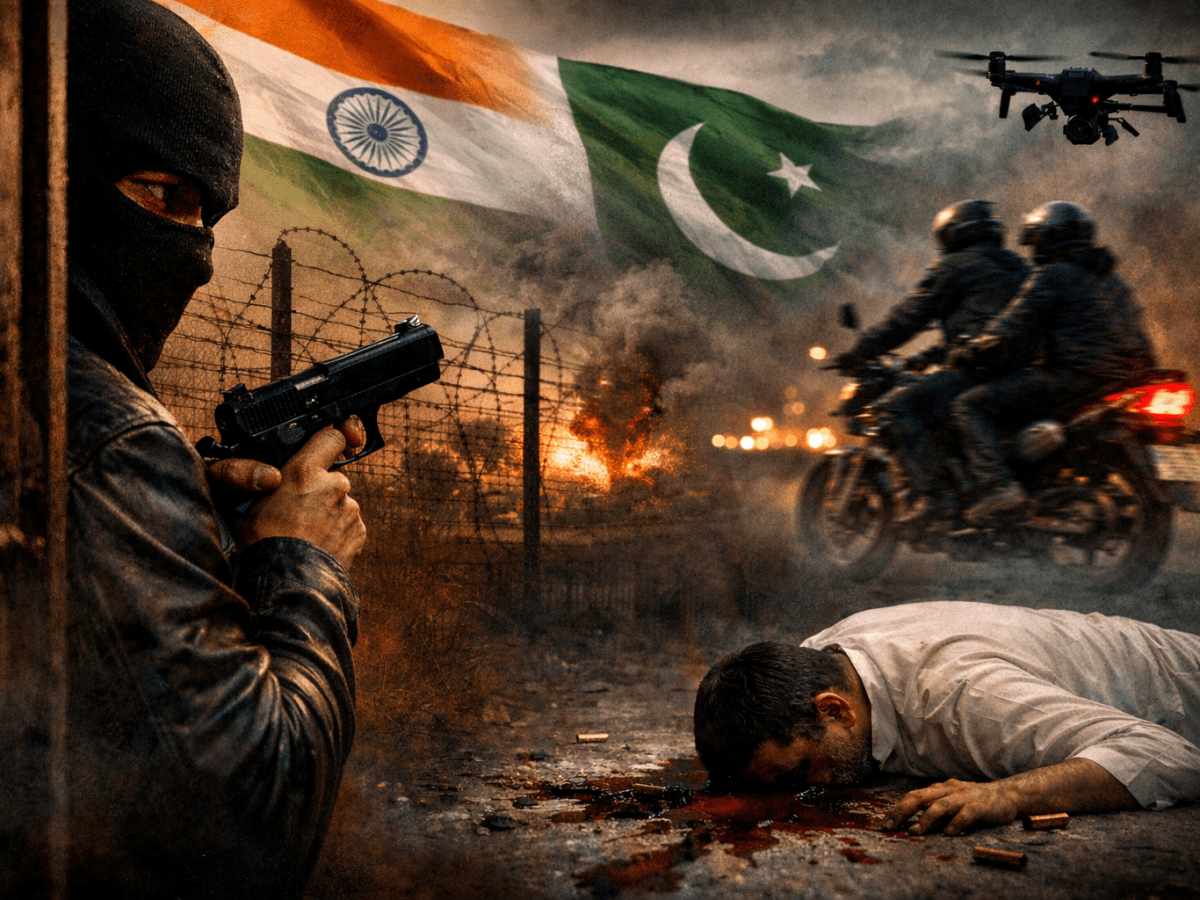
When ten Lashkar-e-Taiba terrorists sailed from Karachi and turned Mumbai into a killing field, they didn’t just murder 166 people. They executed the idea of cricket diplomacy.
That night delivered a verdict.
From that moment on, bilateral cricket became a privilege—not a right. Something earned through peace, not demanded through nostalgia. India cancelled its 2009 tour of Pakistan, and for once the message was clear: terrorism and cricket do not mix.
Only one group kept pretending otherwise—the familiar ecosystem of “aman-ki-asha” columnists, NGOs, and retired cricketers who profit from nostalgia without paying its price.
The Indian public moved on long ago.
You do not share a pitch with a state that exports blood.
Operation Sindoor Ended the Nuclear Bluff
Fast forward to May 2025.
After the Pahalgam terror attack, India didn’t issue dossiers. It didn’t wait for sympathy. It struck.
Operation Sindoor wasn’t symbolic. It wasn’t theatrical. It was humiliating. Nine terror launchpads erased. Strategic depth dismantled.
For the first time since 1971, Pakistan learned that its favourite shield—the nuclear bluff—no longer guaranteed safety. No hotline saved them. No red line held. No great power froze consequences.
The myth cracked.
What followed wasn’t retaliation. It was paralysis.
This T20 boycott is not strategy. It is retreat pretending to be dignity. A tantrum staged far away from the battlefield because the battlefield is no longer safe.
Pakistan isn’t punishing India.
It is consoling itself. It’s licking its own wounds. It’s catering to its own citizen’s broken ego and morale!
The Bangladesh Excuse Is Almost Insulting
The official pretext for the boycott—“solidarity” with Bangladesh—barely deserves respect.
Bangladesh today is governed by an interim regime overseeing street violence, minority persecution, and a steady refugee flow into India. This is not a state qualified to lecture anyone on safety.
Yet after Mustafizur Rahman was released from an IPL contract—a purely commercial decision—the Bangladesh Cricket Board inflated it into a national insult.
The hypocrisy writes itself.
A country whose players beg for IPL contracts does not get to posture about dignity. A country whose citizens seek refuge in India does not get to declare Indian soil unsafe.
Pakistan saw an opening and jumped in—not out of principle, but convenience.
One dysfunctional state amplifying another’s theatrics.
That isn’t solidarity. That’s shared insecurity.
The ICC’s Dirty Secret: This Was Never a Rivalry
For over a decade, the ICC sold India–Pakistan as the “greatest rivalry in sport.”
It isn’t.
It’s the most profitable hostage situation in cricket.
Every World Cup draw magically placed India and Pakistan in the same group. Not because of tradition. Not because of sport. But because one match was worth half a billion dollars in broadcast revenue.
Viewership was the hostage. India was the payer. Pakistan was the prop.
Pakistan’s boycott exposes the truth the ICC never wanted to admit: this is an unreliable, volatile participant that uses sport as leverage.
The answer isn’t negotiation.
It’s redesign.
India Has Outgrown Pakistan—Completely
Let’s drop the sentimentality.
India’s cricket economy is worth over $3 billion. The IPL alone dwarfs most ICC tournaments. The Border–Gavaskar Trophy delivers elite cricket without political blackmail. The WPL is rising fast and clean.
Pakistan, meanwhile, survives on ICC redistribution and manufactured relevance.
This isn’t exclusion.
It’s evolution.
Pakistan isn’t being pushed out of world cricket. It’s being outgrown.
Enough Annual World Cups. Bring Back Real Cricket.
There is an ICC event almost every year now. Prestige diluted. Players burnt out. Formats meaningless.
And for what? So we can keep forcing matches with states that treat cricket as a bargaining chip?
If Pakistan can disrupt a World Cup with a tantrum, then the model itself is broken.
The future is obvious: high-quality tri-series.
India–Australia–New Zealand.
India–England–South Africa.
India–Sri Lanka–Afghanistan.
And many other combinations!
Better cricket. Better integrity. Zero political extortion.
You don’t negotiate with unreliability. You design around it. It is high time that ICC rethinks its business model.
The Walkover That Meant More Than a Win
On February 15, 2026, Suryakumar Yadav will walk out for the toss in Colombo.
He will be in blue, representing a confident economic and military power.
Across from him, there will be no opponent.
Just empty space.
That empty space tells the truth world cricket has avoided for years.
Pakistan didn’t boycott India.
They confirmed they no longer belong in the same conversation.
They handed India the points, the freedom, and the future.
The circus is over.
Let’s make sure it never comes back.
Thanks for reading!! Do let me know your comment and share it with your friends and family and see if they agree!
Also read:




 Infinite Sea of Opportunities
Leave a comment