
The Middle East is not entering a brief conflict cycle. It is entering a prolonged phase of structural instability.
And history is not subtle about this.
Look at the Russia–Ukraine War.
It was supposed to be short. Weeks, some said. Months, others argued. Instead, four years later, it has hardened into a grinding war of attrition. Millions displaced. Cities flattened. Europe absorbing the shock — energy crisis, inflation, refugee strain, political polarization.
Remember the early claims? Russian oligarchs would collapse. Sanctions would cripple Moscow. The war would be economically unsustainable.
Where are the triumphant speeches about oligarchs compensating for destruction? Where is the swift collapse that was promised?
War that was sold as short became generational.
Wars that began with confidence still breathes in exhaustion. The war does not even make a headline now. Does it?
And this was not unpredictable. In 2022 itself, basic reading of history suggested that great-power proxy wars rarely conclude quickly. Anyone who studied the Cold War could see the pattern. The problem was never a lack of information. It was arrogance — the belief that this time would be different.
Now look at the Israel–Hamas War.
Hamas is not a conventional army. It has no air force. No armored brigades. No navy. Yet the war persists.
Why?
Because wars against decentralized, ideologically driven networks do not end by flattening buildings. They adapt. They go underground. They fragment and reassemble.
Infrastructure can be destroyed. Networks survive.
Go further back — the War in Afghanistan.
Twenty years.
The objective: regime change and stabilization.
The result: the Taliban returned.
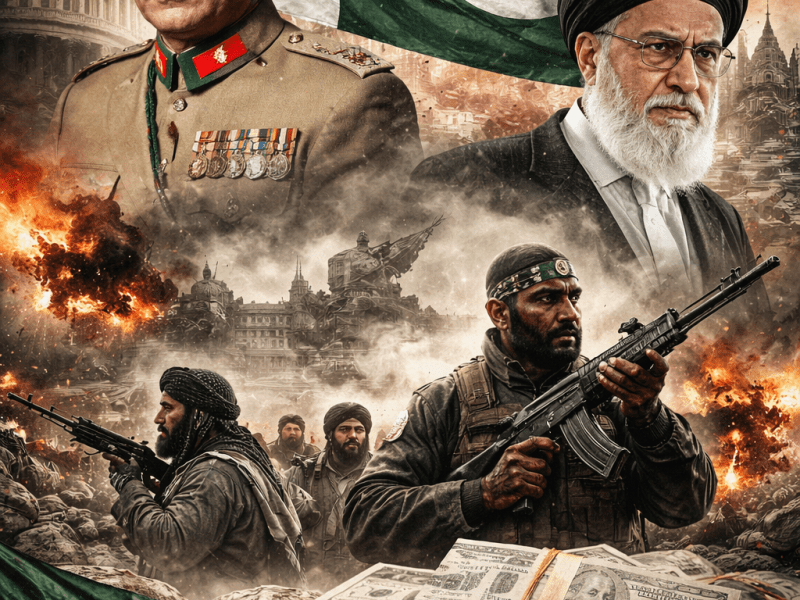
For decades, the United States funded Pakistan to counter Soviet influence. “Good Taliban” versus “Bad Taliban” was once a serious policy distinction. Today that debate looks absurd. The Soviet Union dissolved. Afghanistan was shattered. Pakistan remains trapped battling militancy it once helped cultivate.
Has that war ever truly ended for them?
The conflict never concluded. It mutated.
The Pattern
Wars launched with declarations of speed and superiority become prolonged strategic quagmires when the political and ideological drivers remain intact.
Now comes the latest claim — that the war with Iran can be “finished in four weeks.”
We have heard this tone before.
But rhetoric must confront material reality.
The Arsenal Problem
Iran’s missile program is not symbolic. It is structural.
Even after reported degradation in 2026, estimates still suggest 1,200–1,500 operational ballistic missiles remain from a pre-escalation inventory of over 3,000.
This includes:
- Short-range systems like Fateh and Zolfaghar
- Medium-range platforms such as Shahab-3, Sejjil, and Khorramshahr
- The hypersonic Fattah series
- Cruise missiles like Soumar
- Thousands of Shahed-class drones
Missiles are not tank divisions waiting in open deserts. They are mobile, concealed, dispersed. They do not require air superiority to exist.
Even if a ceasefire is declared, those arsenals do not evaporate. What happened to the weapons that were left in Afghanistan once the US left? You could ask Pakistan and the terror victims.
The Proxy Layer
Then there are Iran’s regional networks.
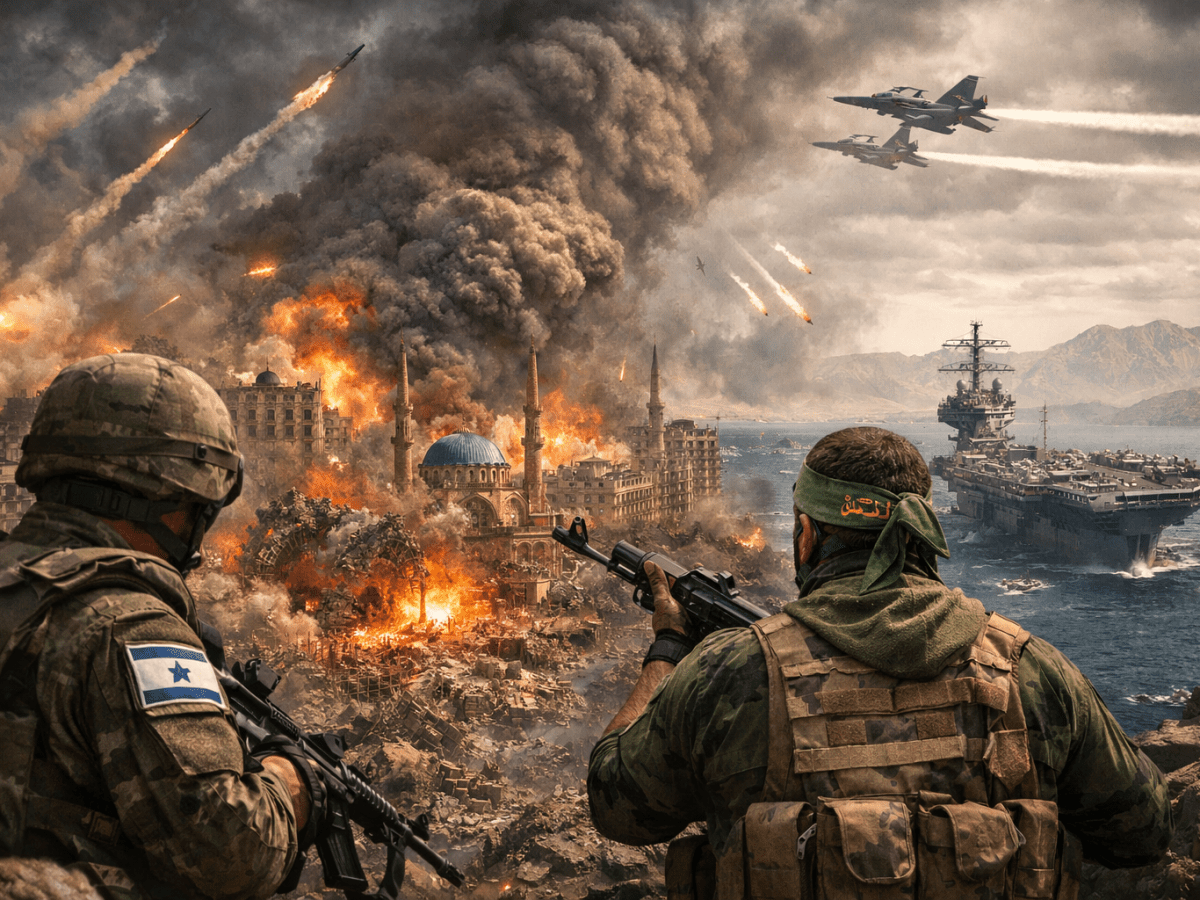
Hezbollah, though depleted, may still retain tens of thousands of rockets. The Houthis possess cruise missiles and anti-ship capabilities capable of disrupting Red Sea trade.
These groups are not mere puppets. They have local political ecosystems. They have domestic incentives. They have ideological motivations.
If Washington declares victory, do these actors disarm?
Proxies do not sign surrender documents.
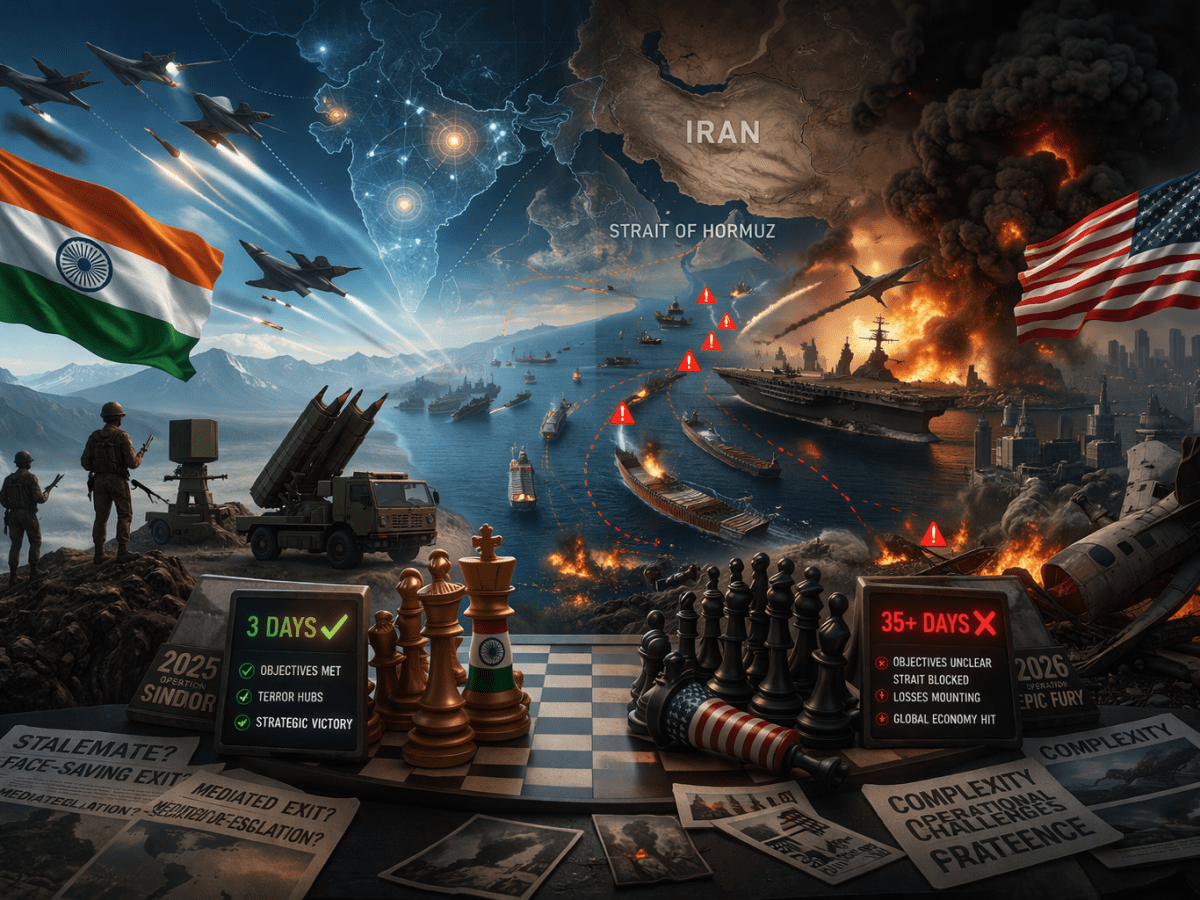
Operation Epic Fury vs Operation Sindoor
Why would this war be any different from the others I mentioned above. Where is this confidence coming from?
What is the objective with Iran?
Regime change?
Nuclear rollback?
Regional containment?
If the concern is nuclear deterrence, history offers another lesson: Pakistan possesses nuclear weapons and has openly admitted to training militant groups in the past. India does not claim it seeks regime change in Pakistan by force. Instead, it invests in deterrence, missile defence, and calibrated response.
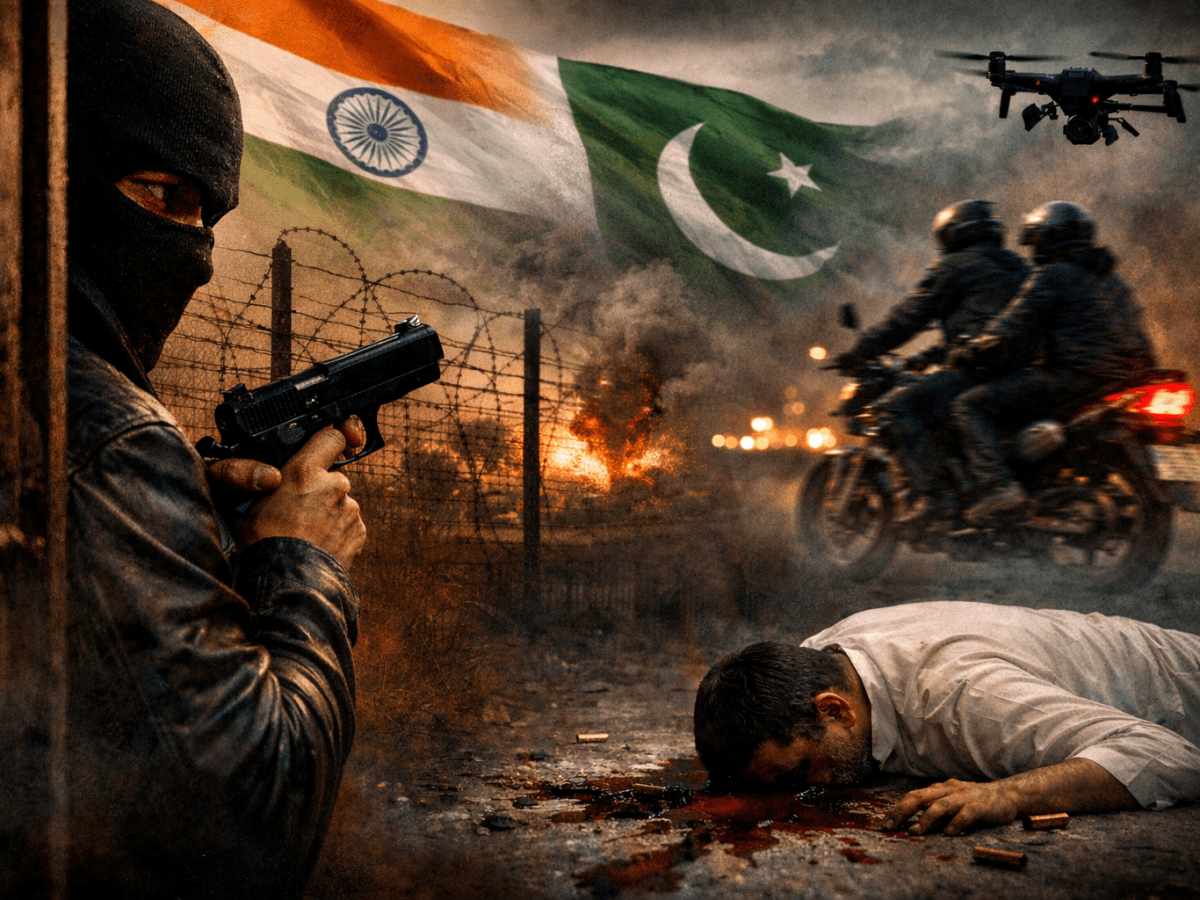
Just last year, India’s launched short, objective-driven strikes after the Pakistan-sponsored terror attack in Pahalgam that killed 26 civilians. The strikes were precise, however, Pakistan instead of supporting the action against terrorism, retaliated with an escalation. The war ended in three days with India’s exceptional air defence capabilities rendering Pakistan’s offence toothless.
How did India manage to de-escalate and put the notorious neighbour in its good place?
The goal was clearly defined; no regime change objective, no expansionist ambition. The goal was narrow, and once achieved, escalation stopped.
Clarity of objective matters.
Contrast that with the Russia–Ukraine War or the Afghan War or the Iran War.
What is the defined endpoint?
Is it buffer neutrality? Is it territorial rollback? Is it regime weakening? Once the objective became “defeat Russia,” the timeline naturally expanded. Peace was and is still not on the list of objectives in that case.
Once again it is not peace that is sought after, it is Iran’s defeat and submission.
Defence proved to be the best offence!
Why is containment acceptable in one case but elimination demanded in another?
Deterrence is psychological as much as material.
If Iran retains missiles, if proxies retain rockets, if ideological hostility persists — deterrence has not disappeared. It has simply recalibrated.
The Core Question
When leaders promise rapid endings, the issue is not bombing efficiency.
It is the definition of victory.
What happens the day after it is declared?
If missile stockpiles remain,
if drone networks remain,
if proxies remain armed,
if ideological hostility remains intact,
then the conflict has not ended. It has shifted phase.
Can It Be Ended Quickly?
A short campaign could degrade Iranian capacity. It could reduce stockpiles and damage infrastructure.
But dismantling domestic production networks, underground launch systems, cross-border proxy arsenals, and the ideological drivers of asymmetric warfare within four weeks is a fundamentally different objective.
Hybrid state–proxy conflicts do not conclude cleanly. They fragment, recalibrate, and persist at lower intensity.
In such wars, “victory” often means containment and deterrence — not elimination.
Are Middle Eastern States Safe?
The deeper issue is regional architecture.
If escalation persists:
- Gulf states remain within missile range
- Israel remains under drone and rocket threat
- US bases remain exposed to asymmetric retaliation
- Shipping lanes remain vulnerable
Disruption in the Strait of Hormuz would not simply be a naval incident; it would trigger energy volatility, insurance spikes, rerouted trade, and capital flight.
Markets adjust faster than politics. Buyers seek alternatives. Supply chains shift. The economic cost concentrates first on hydrocarbon-dependent states whose stability relies on uninterrupted exports.
Instability does not remain local. It radiates outward.
Europe learned this through the Russia–Ukraine War — energy shocks and inflation extended far beyond the battlefield.
Safety depends on predictability.
Predictability is eroding.
Missile proliferation.
Drone democratization.
Entrenched proxy warfare.
Maritime vulnerability.
This does not guarantee collapse.
But it makes prolonged volatility far more plausible than rapid stabilization.
History shows that wars launched with overconfidence outlive the timelines attached to them.
The debate, therefore, is not about four weeks.
It is about whether the region is entering another decade defined less by resolution and more by managed instability.
That is the question policymakers must answer — clearly and honestly — before promising speed in a region shaped by unfinished wars.
The Hard Question
I understand the American strategic logic — maintaining influence, sustaining defence industries, preserving hegemony, protecting oil currency, projecting power far from domestic soil.
What is harder to understand is why regional states repeatedly assume short timelines for conflicts whose structural drivers remain unresolved.
Geography matters. The side effects do not remain distant forever.
Thanks for reading!
Also read:
- After Pakistan, Ukraine is the new playground for the US; here is how the future looks like..
- The West’s Sick Hypocrisy and Pakistan’s Vile Lies
- A tale of two conflicts and the hypocrisy!
- A Three-Day War That Shook the War Economy
- Operation Sindoor 2025: 3 Economic Proofs of Pakistan’s Strategic Defeat [Analysis]








 Infinite Sea of Opportunities
Leave a comment