
Many nations pursue foreign policy driven by ideology, religion, or identity. But the United States operates primarily as a capital-driven system.
Presidents may change — from George W. Bush to Barack Obama to Donald Trump — but the structural incentives of the American economic system remain constant.
The political system in the U.S. is deeply intertwined with capital markets, corporate interests, lobbies, and industrial supply chains. When conflicts reshape global trade routes, American industries often find themselves in a position to benefit.
This does not necessarily mean wars are started purely for profit. But it does mean the economic consequences of war frequently favor the United States.
The United States rarely fights wars on its own soil. Instead, conflicts tend to occur thousands of kilometers away, often in regions that sit at the heart of the global energy trade.
Wars in the Middle East are often framed in moral or ideological terms — democracy, regime change, security, terrorism, nuclear proliferation, or the protection of allies. Yet history suggests another powerful but hidden driver behind these conflicts: economic incentives.
The current war in Iran follows a similar pattern.
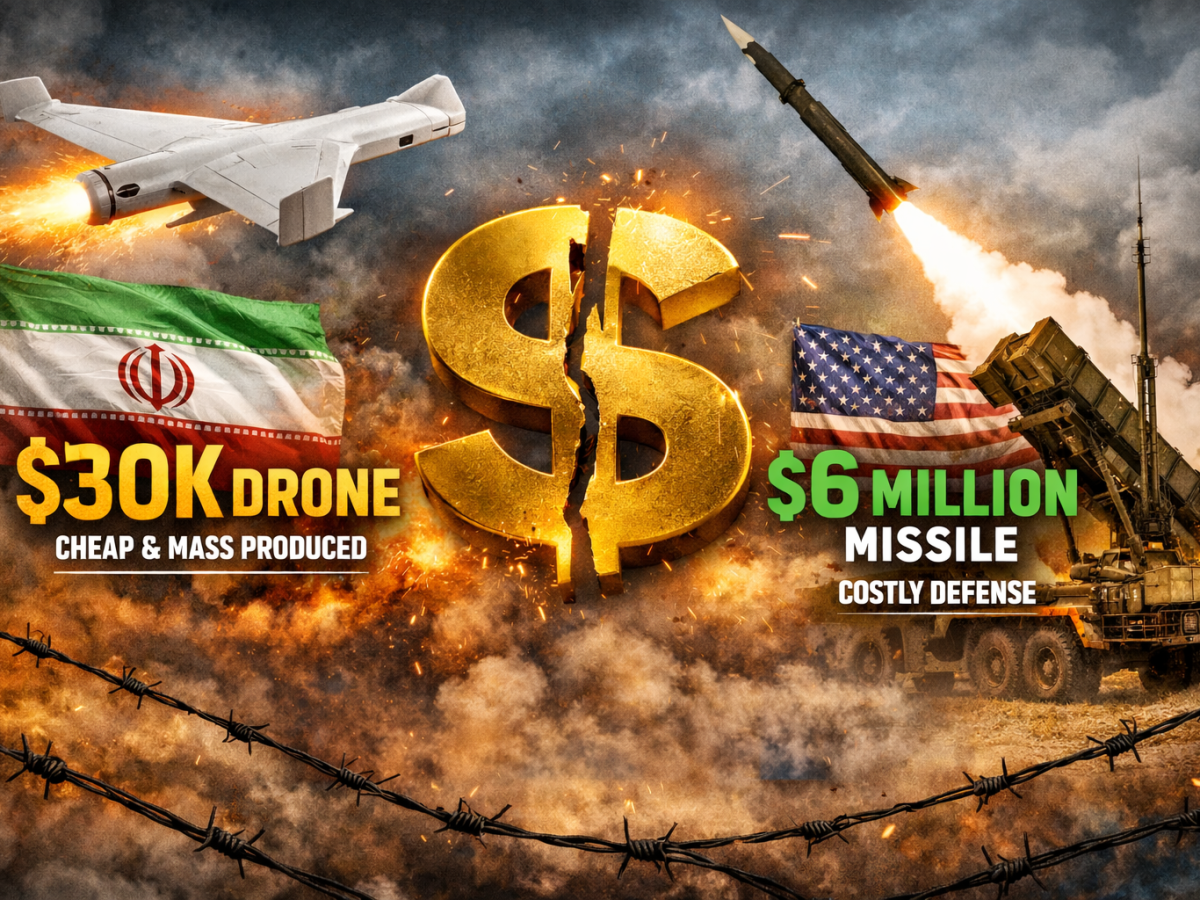
You might ask: if the United States is firing million-dollar interceptor missiles to shoot down Iranian drones that cost barely twenty thousand dollars, how does this war benefit the American economy? The global crude prices are soaring; they affect everyone alike, so how does it benefit the US?
Almost every news channel is screaming loss to the American economy.
At first glance, it appears like a losing equation. But when viewed through a broader geopolitical and economic lens, the picture changes.
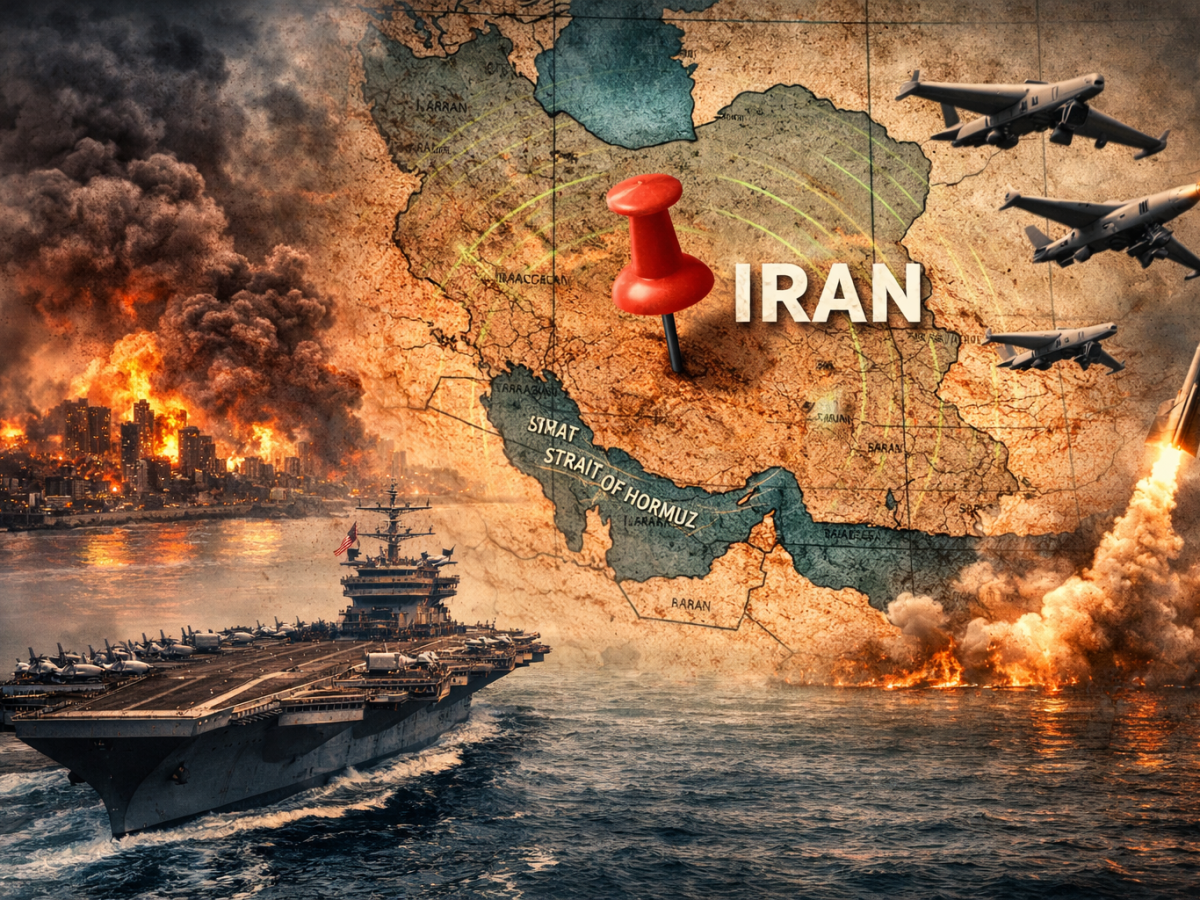
The surprising truth is that the longer the Strait of Hormuz stays closed the better for the US.
How?
The blockade of the Strait of Hormuz is a crisis for Asian countries like India, China, South Korea and Japan (major countries) and of course other countries like Pakistan, Bangladesh etc. but not for the entire world.
The following table provides the oil and gas imports via the Hormuz:
| Country | Energy | Imports from US | Imports via Hormuz | Total Imports |
|---|---|---|---|---|
| China | Oil | 0.038 mb/d (0.3%) | 5.8 mb/d (≈48%) | 11.5 mb/d |
| Gas | ~5 bcm (≈3–4%) | ~20 bcm (≈14–15%) | ~140 bcm | |
| India | Oil | 0.20 mb/d (≈4–5%) | 2.7 mb/d (≈55%) | 4.9 mb/d |
| Gas | ~2 bcm (≈3%) | ~20 bcm (≈33–35%) | ~60 bcm | |
| Japan | Oil | 0.084 mb/d (≈3.8%) | 2.0 mb/d (≈87–90%) | 2.25 mb/d |
| Gas | ~8 bcm (≈8–9%) | ~60 bcm (≈60–63%) | ~95 bcm | |
| South Korea | Oil | 0.47 mb/d (≈22%) | 1.7 mb/d (≈80–85%) | 2.1 mb/d |
| Gas | ~10 bcm (≈14–15%) | ~40 bcm (≈55–58%) | ~70 bcm |
I haven’t included other smaller countries like Pakistan, Bangladesh, Sri Lanka etc..
The billion dollar question that you should be asking is “If the Strait remains closed where do you think they go for oil and gas?”
Before you jump to a conclusion, let’s have a look at the Russia-Ukraine war, so we have a case study with documented facts. Who do you think was the biggest beneficiary in terms of oil and gas with the Russia-Ukraine War?
To answer that question, I simply created a table that provides Europe’s oil imports over years (from 2020 to 2025) so as to show a trend. Below is the table:
| Supplier | Energy | 2021 | 2022 | 2023 | 2024 | 2025 |
|---|---|---|---|---|---|---|
| Russia | Oil | 2.9 (29%) | 2.3 (23%) | 0.4 (4%) | 0.6 (3%) | 0.6 (3%) |
| Gas | 155 (39%) | 85 (24%) | 65 (17%) | 52 (14%) | 38 (12%) | |
| United States | Oil | 1.2 (12%) | 1.4 (14%) | 1.8 (17%) | 1.9 (18%) | 2.0 (19%) |
| Gas | 19 (6%) | 56 (17%) | 70 (23%) | 45 (16%) | 83 (26%) | |
| Norway | Oil | 1.1 (11%) | 1.2 (12%) | 1.4 (13%) | 1.5 (14%) | 1.5 (14%) |
| Gas | 80 (24%) | 90 (28%) | 92 (30%) | 91 (33%) | 97 (31%) | |
| Kazakhstan | Oil | 1.0 (10%) | 1.1 (11%) | 1.2 (12%) | 1.3 (12%) | 1.3 (12%) |
| Gas | — | — | — | — | — | |
| Iraq | Oil | 0.9 (9%) | 0.9 (9%) | 0.9 (9%) | 0.8 (7%) | 0.8 (7%) |
| Gas | — | — | — | — | — | |
| Saudi Arabia | Oil | 0.7 (7%) | 0.8 (8%) | 0.8 (7%) | 0.8 (7%) | 0.8 (7%) |
| Gas | — | — | — | — | — | |
| Algeria | Oil | — | — | — | — | — |
| Gas | 34 (8%) | 40 (12%) | 38 (12%) | 36 (10%) | 39 (12%) | |
| Qatar | Oil | — | — | — | — | — |
| Gas | 16 (4%) | 18 (5%) | 20 (6%) | 21 (6%) | 20 (6%) | |
| Nigeria | Oil | 0.3 (3%) | 0.3 (3%) | 0.3 (3%) | 0.3 (3%) | 0.3 (3%) |
| Gas | 8 (2%) | 9 (3%) | 10 (3%) | 9 (3%) | 9 (3%) | |
| Others | Oil | 1.3 (13%) | 1.4 (14%) | 1.5 (15%) | 1.5 (14%) | 1.4 (13%) |
| Gas | 17 (5%) | 18 (6%) | 20 (6%) | 19 (5%) | 30 (9%) |
What do you notice? If we compare the values from 2021 (before the war broke) to 2025, you will find a clear pattern.
Russian Oil and Gas imports reduced from 29% to 3% for oil and 39% to 12% for gas; and they continue to dwindle.
At the very same time, the share of oil and gas from the US has been increasing especially when the US is based thousands of kilometres away. The oil imports have increased from 12% to 19% and gas imports have increased from 6% to 26%.
Is it difficult to deduce the beneficiary here?
European market is taken care of, it is time for expansion; the Asian market where Indian and China are world’s top two energy importers. Two countries combined need energy for close to 3 billion people.
The USA tried very hard to kill Russian Oil imports to Asia by putting sanctions and waging a tariff war, and failed to a great extent. Both India and China continued buying Russian oil directly or even indirectly bypassing the dollar. India who was able to build refineries to process Russian oil even exported refined oil to Europe.
Diplomacy, tariff wars, sanctions on Iran and Russia failed to achieve the objective. The US simply can’t bomb Quatar, UAE, Bharain, Saudi, Kuwait, Iraq : they are more of less outhouses for the US. The US can neither bomb India or China or can topple regime; the two countries are neither Ukraine nor any other country like Iraq or Afghanistan or Pakistan, they have their own robust systems.
But what next? How does the US force them to buy the oil and gas from them?
So, when Israel pushes for a war with Iran for its own security (a genuine security concern), the US takes over. That’s opportunism. Now we have a perfectly blocked Strait of Hormuz.
The Asian countries now have a crisis. They have energy requirements, Russia alone can’t fulfil the requirement. Capacity! Where do Asian countries get oil and gas now?
The US! The saviour!
Mission Accomplished!
Does it make sense?
Okay, I will give you one more indicator. The following table provides the share prices of the two largest oil and gas companies in the US that operate globally. Notice the jump in the share price
| Year | Exxon Mobil (XOM) | Chevron (CVX) |
| 2021 | ~$55.00 | ~$105.00 |
| 2022 | ~$92.00 | ~$160.00 |
| 2023 | ~$110.00 | ~$163.00 |
| 2024 | ~$118.00 | ~$155.00 |
| 2025 | ~$121.00 | ~$145.00 |
| 2026 (YTD) | ~$138.00 | ~$175.00 |
Notice the jump in the share prices in 2022 when the Russia-Ukraine War broke out, and notice the jump now when the Strait of Hormuz is closed!
And this time it has been barely twelve days so far.
That alone tells you something about who quietly benefits every time the world’s most critical oil corridor trembles.
Even Donald Trump has never been particularly shy about acknowledging where the real money flows.
At one point he joked:
“Chevron is making a lot of money. Maybe I should just go run Chevron.”
It sounded like humor. But it also revealed something deeper — the comfort with which American political leaders talk about the fortunes of their energy giants.
On another occasion, during a public event, a staffer handed Trump a note reminding him:
“Go back to Chevron — they have a question.”
Trump read the note out loud, briefly exposing the quiet choreography behind the scenes with light giggles: large energy companies watching, waiting, and participating closely in political conversations and policy making.
None of this is surprising.
Trump has always been unapologetically pro–oil industry. His administration pushed aggressively for expanding drilling in the United States and proudly marketed the idea of American “energy dominance.”
When the world’s oil routes shake, American energy companies don’t just watch.
They cash in. Now the question you have to answer
“Did the Oil routes shake? or were they shaken?”
Thanks for reading. If you found this analysis insightful, please consider sharing it with your friends and family. I’d also love to hear your perspective—feel free to leave your thoughts in the comments.
And remember, energy is only one part of the story.
Another sector that often benefits from prolonged geopolitical tensions is defence technology. In the next post, I’ll explore how the United States has historically turned wars and global conflicts into massive economic opportunities through its defence industry.
Follow the blog so you don’t miss the upcoming piece.
Also read:
- After Pakistan, Ukraine is the new playground for the US; here is how the future looks like..
- A Three-Day War That Shook the War Economy
- The Drone Race: A New Era of Innovation in India Amid Conflict
- Operation Sindoor 2025: 3 Economic Proofs of Pakistan’s Strategic Defeat [Analysis]
- Operation Sindoor: Pakistan’s Pathetic Collapse—India Crushed It, and It’ll Do It Again






 Infinite Sea of Opportunities
Leave a comment