
Synthesizing the Potential. Engineering the Future…
One blog post at a time.
● Featured Article
-
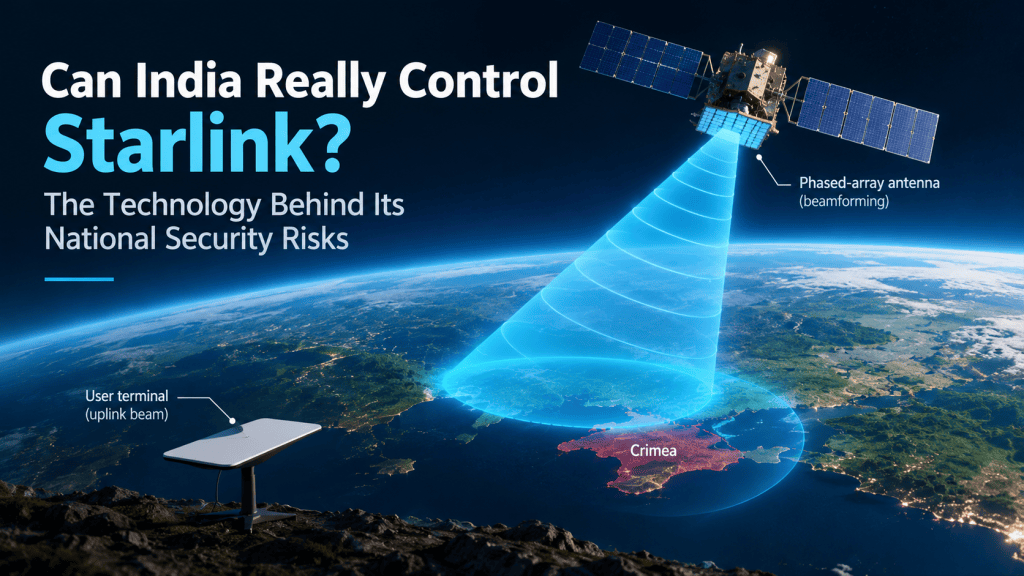
The Russia–Ukraine war has starkly exposed the strategic vulnerabilities that emerge when modern nations rely on private, foreign-controlled satellite constellations for critical national security and military communications. While commercial Low-Earth Orbit (LEO) networks like Starlink proved indispensable in keeping Ukrainian defense forces and civilian infrastructure connected following the systematic destruction of legacy terrestrial communications, the conflict has also demonstrated how operational restrictions—whether driven by corporate terms of service, regulatory compliance, or geopolitical signaling—can directly alter battlefield outcomes. At the center of this debate is a profound systemic risk: What are the long-term technical and strategic implications of allowing a private…
● Latest Articles
-

The Magician becomes the Hat!!!: The Indian Politician doing tricks
The magician borrowed a 10 rupee bill from a person sitting in the first row, he lit that bill up, I saw with my eyes…
-

Ayodhya Dispute: An unresolved symbolical confrontation
Like every four years, Olympic Games present a grand Opening Ceremony to the spectators, the Indian General Elections that occur every five years present the…
-

Kerala Floods Part 2: CWC’s Role
Every year hundreds of people in India die because of floods; millions of the people are relocated and thousands of crores are flushed in floods…
-

#TheBlindList: An overlooked, cost effective and safe travel plan
The cut-throat competition of the 21st century forces us to be on our toes. The much required need to secure a leading edge in our…