
Synthesizing the Potential. Engineering the Future…
One blog post at a time.
● Featured Article
-
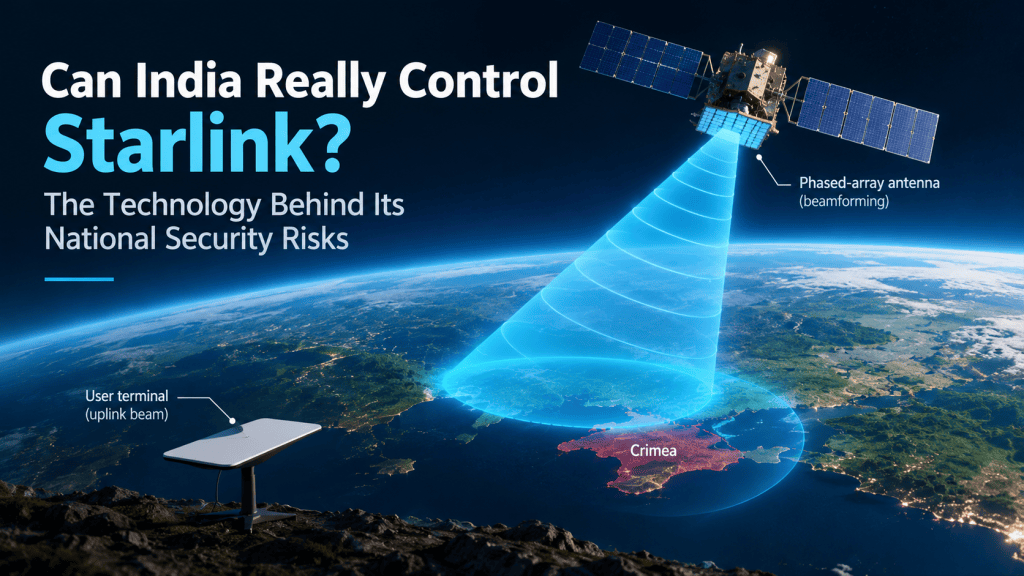
The Russia–Ukraine war has starkly exposed the strategic vulnerabilities that emerge when modern nations rely on private, foreign-controlled satellite constellations for critical national security and military communications. While commercial Low-Earth Orbit (LEO) networks like Starlink proved indispensable in keeping Ukrainian defense forces and civilian infrastructure connected following the systematic destruction of legacy terrestrial communications, the conflict has also demonstrated how operational restrictions—whether driven by corporate terms of service, regulatory compliance, or geopolitical signaling—can directly alter battlefield outcomes. At the center of this debate is a profound systemic risk: What are the long-term technical and strategic implications of allowing a private…
● Latest Articles
-

7 Reasons Why I Never Considered Moving to the UAE
For as long as I have lived in Europe and the United Kingdom, I have been asked the same question: “Why don’t you move to…
-

The $30K Drone vs the $6M Missile: America’s New War Problem
For decades the rules of war seemed clear. If the United States entered a conflict, the outcome was rarely in doubt. The world’s largest military…
-

When the Strait of Hormuz Closes, Who Quietly Wins?
Many nations pursue foreign policy driven by ideology, religion, or identity. But the United States operates primarily as a capital-driven system. Presidents may change —…
-
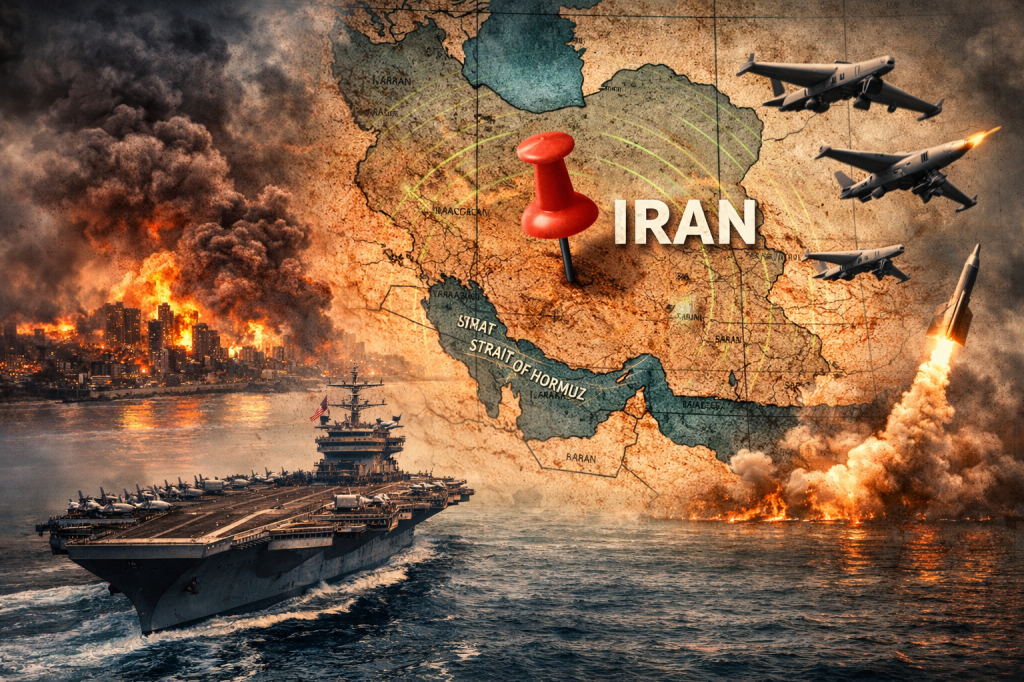
Trump’s Bravado Took America to War With Iran. One Week Later, the War Isn’t Going as Planned—Only the Narrative Is
The official narrative from Washington and the big media houses have spent the last week painting a picture of surgical precision and total air dominance.…