
Synthesizing the Potential. Engineering the Future…
One blog post at a time.
● Featured Article
-
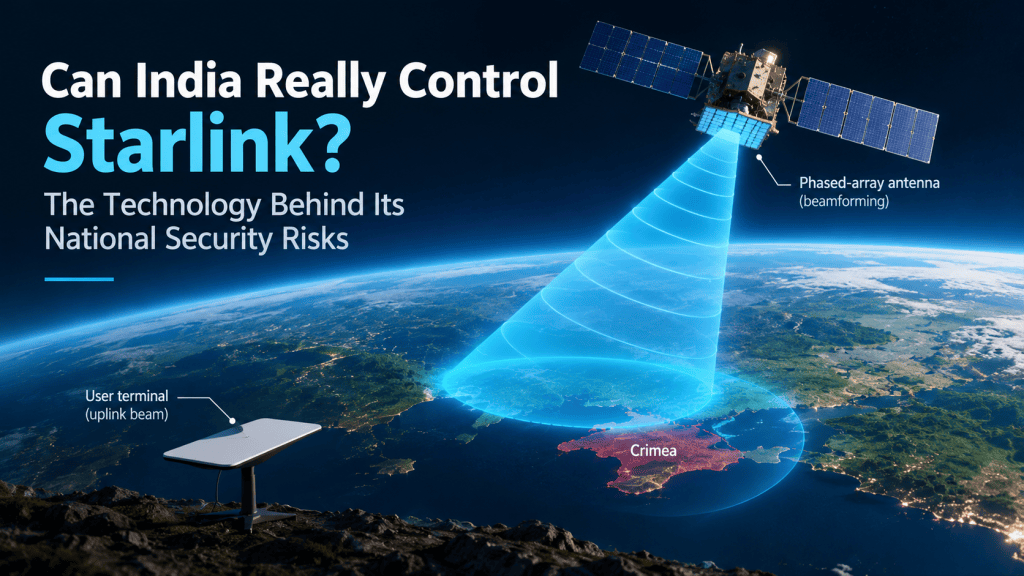
The Russia–Ukraine war has starkly exposed the strategic vulnerabilities that emerge when modern nations rely on private, foreign-controlled satellite constellations for critical national security and military communications. While commercial Low-Earth Orbit (LEO) networks like Starlink proved indispensable in keeping Ukrainian defense forces and civilian infrastructure connected following the systematic destruction of legacy terrestrial communications, the conflict has also demonstrated how operational restrictions—whether driven by corporate terms of service, regulatory compliance, or geopolitical signaling—can directly alter battlefield outcomes. At the center of this debate is a profound systemic risk: What are the long-term technical and strategic implications of allowing a private…
● Latest Articles
-

Dhurandhar Part 2: What Happens Next in Lyari? The Brutal Real-Life Deaths
Karachi’s Lyari was never just a slum. For decades, it functioned as a violent political laboratory where gangsters, politicians, intelligence agencies, and jihadist networks overlapped…
-

The Myth of the “Compromised Nation”: Decoding the Congress’ Selective Memory on Energy and Strategy
In the high-stakes theater of modern geopolitics, where great powers clash and alliances are as fluid as the markets, India has often been pressured to…
-

Beyond the Bombing: What Happens After ‘Victory’ is Declared in Iran?
The Middle East is not entering a brief conflict cycle. It is entering a prolonged phase of structural instability. And history is not subtle about…
-
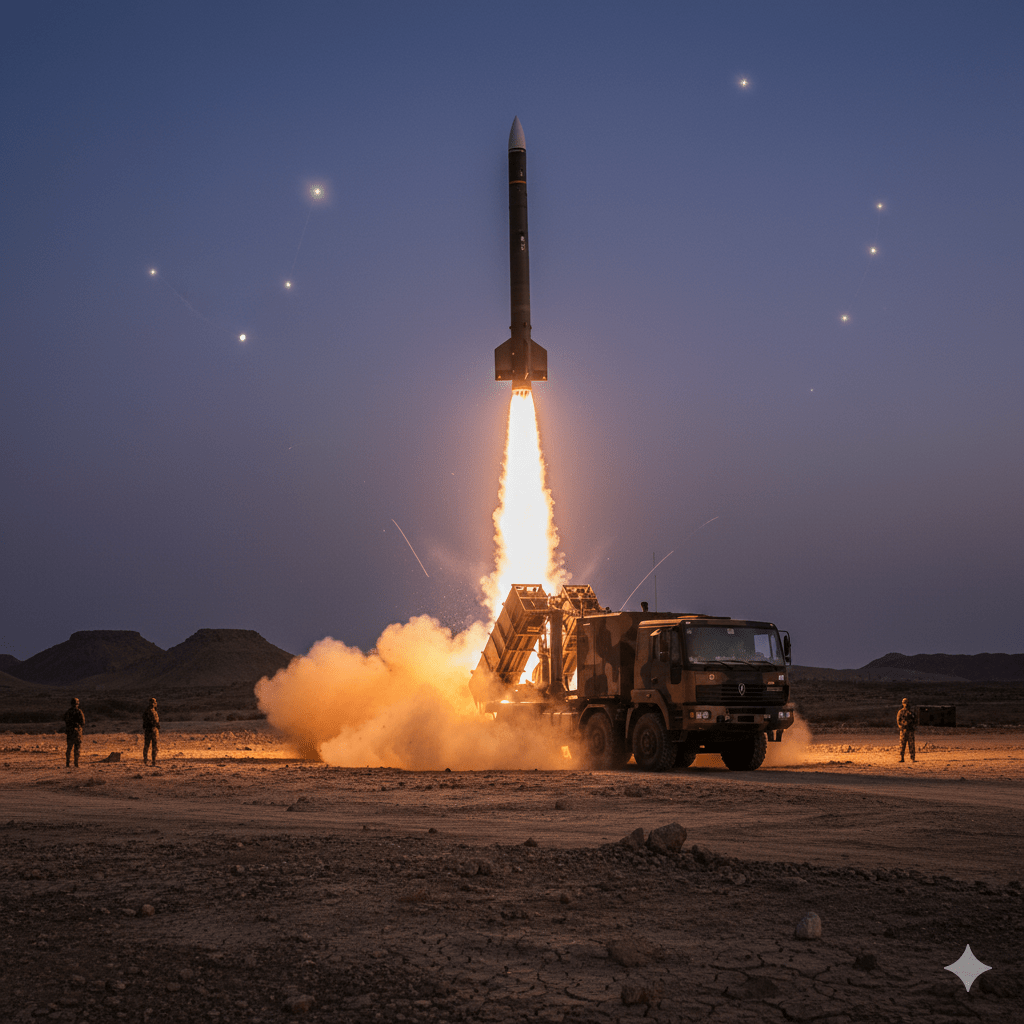
Pralay Explained: Why the “Apocalypse” Missile is Pakistan’s Strategic Dead End
In 2025, India quietly rewrote the rules of warfare in South Asia. Operation Sindoor exposed the risks of manned aerial combat under modern air defenses.…