
Synthesizing the Potential. Engineering the Future…
One blog post at a time.
● Featured Article
-
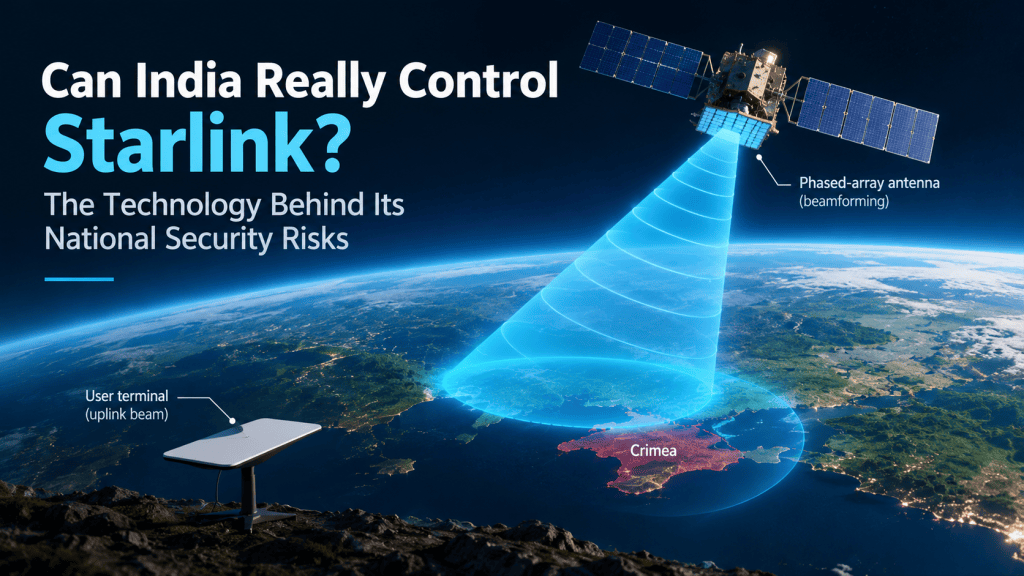
The Russia–Ukraine war has starkly exposed the strategic vulnerabilities that emerge when modern nations rely on private, foreign-controlled satellite constellations for critical national security and military communications. While commercial Low-Earth Orbit (LEO) networks like Starlink proved indispensable in keeping Ukrainian defense forces and civilian infrastructure connected following the systematic destruction of legacy terrestrial communications, the conflict has also demonstrated how operational restrictions—whether driven by corporate terms of service, regulatory compliance, or geopolitical signaling—can directly alter battlefield outcomes. At the center of this debate is a profound systemic risk: What are the long-term technical and strategic implications of allowing a private…
● Latest Articles
-

The Monroe Doctrine of the East: How India Quietly Became a Global Utility Power
For years, India was described as a balancing power—important but cautious, large but reactive, managing the world rather than shaping it. That description is now…
-

Why Space Gen: Chandrayaan Gets ISRO Wrong — The Problem with Hero Worship in Indian Sci-Fi
The recently released TVF series Space Gen: Chandrayaan should have been a landmark moment for Indian prestige television.It had the budget.It had the backing of…
-

Propaganda vs Reality: PL-15E, Rafale, and How China–Pakistan’s Airpower Narrative Collapsed
When Missiles Miss—and Narratives Explode Modern wars are not decided only by bombs and runways. They are decided by perception, credibility, and evidence. The India–Pakistan…
-

History’s Deadliest Déjà Vu: When Pakistan’s Military Turns the Battlefield on Itself
After Operation Sindoor in May 2025, a striking claim began circulating across social media: Pakistan may have accidentally shot down one of its own aircraft…