
Three Days vs. Thirty Five Days— And Only One Is Called Failure
The year 2026 has exposed something far bigger than a military conflict. It has exposed the rigged rules of the narrative game. When India launched Operation Sindoor in May 2025, the verdict from the “global experts” and the internal skeptics was instant:
- “Stalemate.”
- “Face-saving exit.”
- “Mediated de-escalation.”
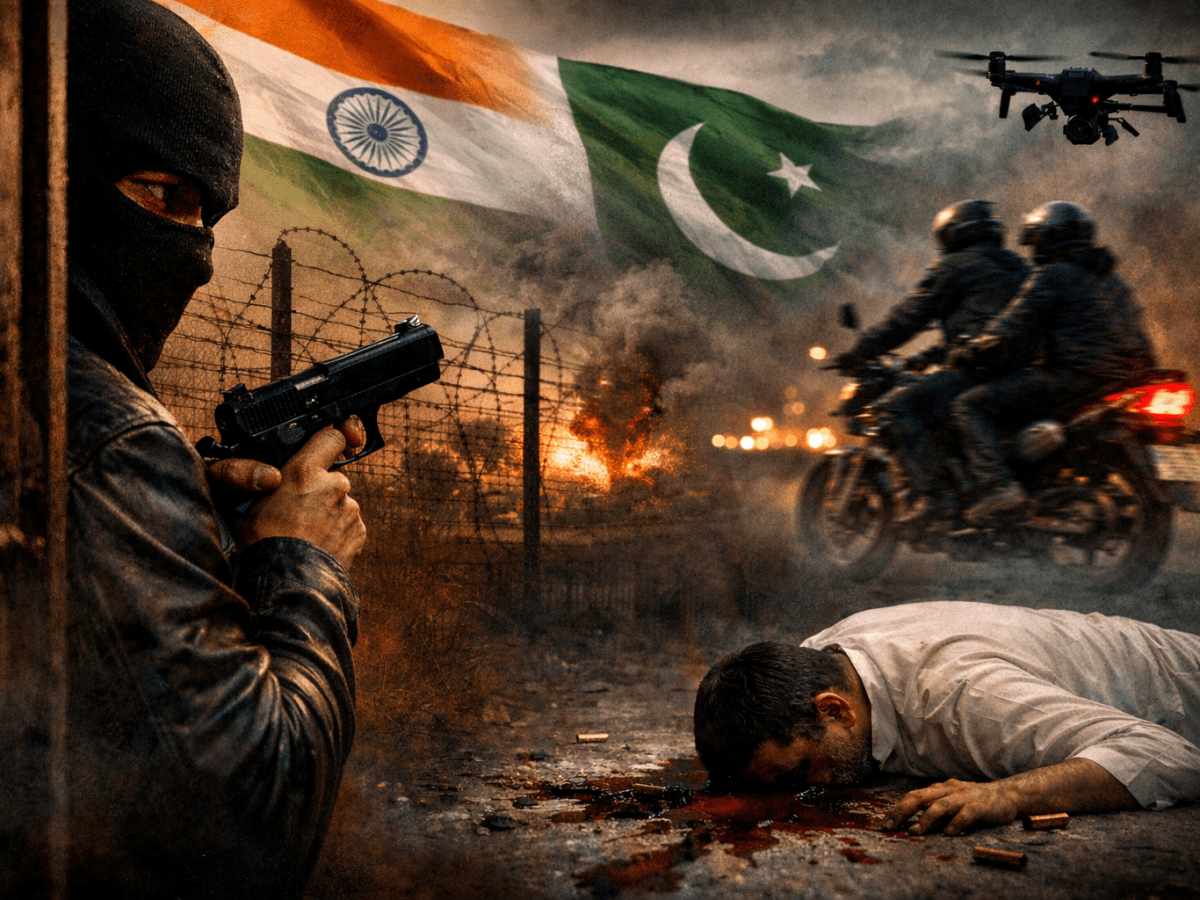
Three days. That’s all it took for India to dismantle nine high-value terror hubs in Bahawalpur and Punjab—sites previously labelled “untouchable” along with the retaliatory escalations from Pakistan. Objectives were met, the Indus Waters Treaty was leveraged as a non-kinetic hammer, and a ceasefire was accepted from a position of absolute dominance. Still—it wasn’t “good enough” for the critics.
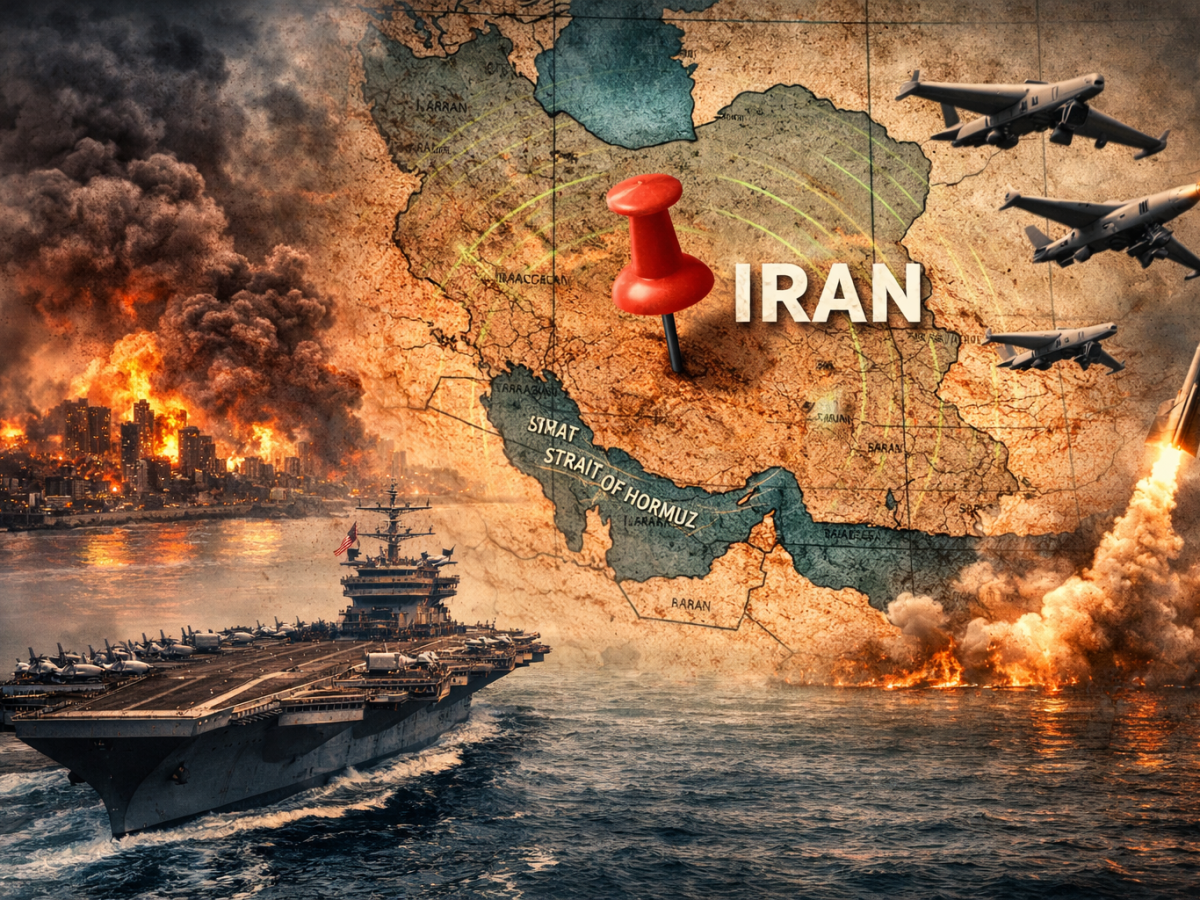
Now, fast forward to today. The United States is five weeks into Operation Epic Fury against Iran.
- The Objectives? Blurry.
- The Strait of Hormuz? A contested graveyard for tankers.
- Regime Change? Nowhere close.
- Gulf States Security? Worse then ever.
And yet—where are the headlines screaming “failure”? Where are the panel discussions calling this a humiliation? Instead, we get one word: “Complexity.”
India Was Judged for Ending a War. The U.S. Is Excused for Extending One.
Let’s simplify the hypocrisy.
India hits, achieves, exits → Questioned.
U.S. hits, lingers, struggles → Contextualized.
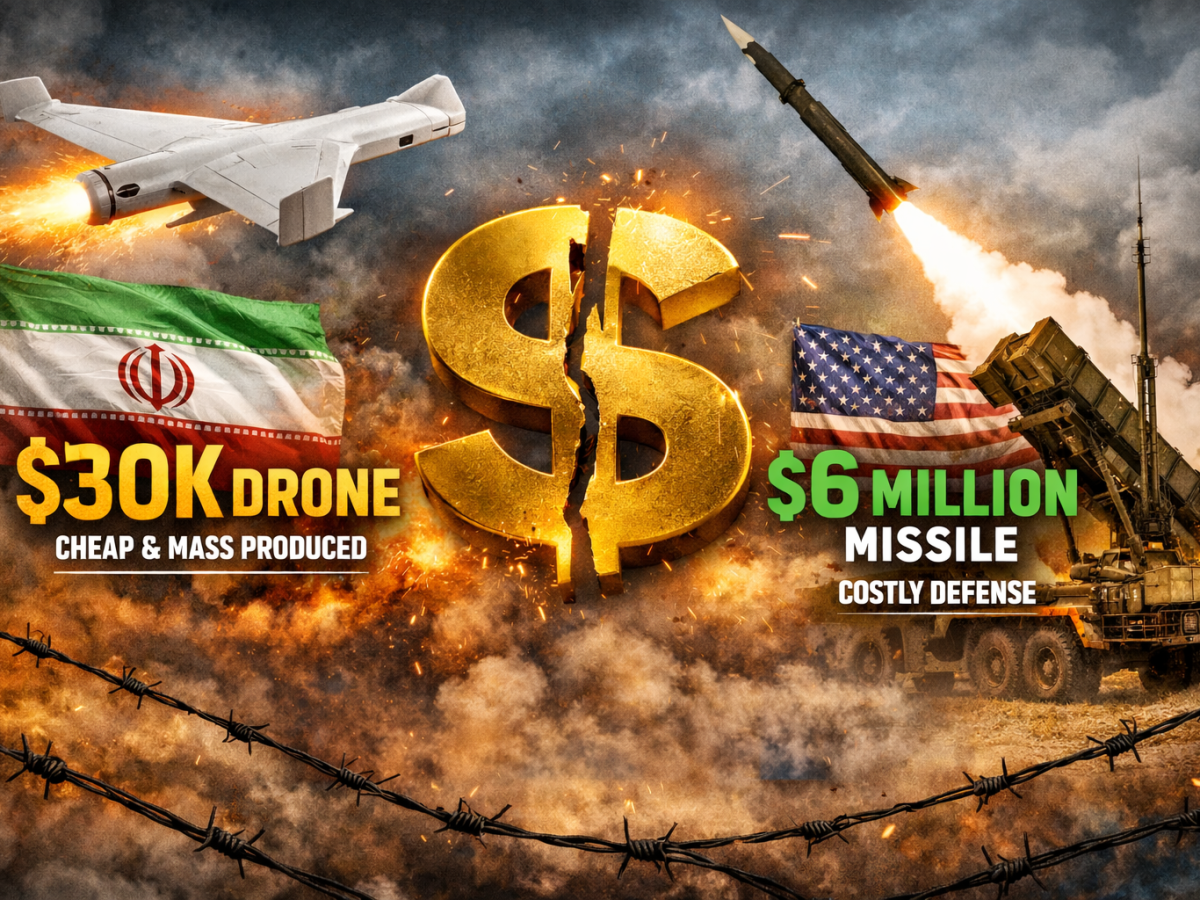
When India’s S-400s and Akash systems intercepted Pakistani drone swarms in 2025, the West called it “luck.” Today, as reports confirm Iranian missiles have struck U.S. radar sites, damaged F-35s and F-15s, US Carriers pushed out of Persian Gulf, the media calls it an “operational challenge.”
If India had been stuck in a month-long operation with no clear outcome in 2025, what would the headlines look like? Be honest. The word “failure” would be a roar. But when the superpower drifts, the world calls for “strategic patience.”
Military Profiles: The Sword vs. The Shield
To understand the victory of 2025, you must understand the enemy. Pakistan is a nuclear-armed state with a professionalized Air Force (PAF) designed for high-intensity parity. To neutralize them in 120 hours was a feat of high-tech precision.
In contrast, Iran is an asymmetric titan. They don’t fight with F-16s; they don’t have them. They have cold war era fighter jets. Their only weapons are Surface to Air Missiles and Drones and a proxy network that has effectively closed the Strait of Hormuz. While India performed surgery on a nuclear peer, the U.S. has set the hospital on fire against a non-nuclear state, and the fire is now spreading to the global economy.
The Cost of Hubris vs. The Value of Strategy
The aftermath of these two operations tells the real story of power:
- India Post-Sindoor: The economy remained stable. The Rupee didn’t flinch. India proved it could climb the escalation ladder and jump off at the top on its own terms.
- The U.S. Post-Epic Fury: Oil is at $180 a barrel. Regional outposts in the Gulf are being abandoned. The myth of the “invisible” F-35 is lying in pieces in the Persian Gulf. This isn’t dominance; it’s drift.
The Real Double Standard: Who Gets to Define “Winning”?
When India acts:
- Success is called “luck.”
- Restraint is called “weakness.”
- Ceasefire is called “pressure.”
When the U.S. acts:
- Failure becomes “complexity.”
- Delay becomes “strategy.”
- Losses become “unforeseen challenges.”
This isn’t about India vs. the U.S. It’s about the fact that for decades, the West has held the pen that writes the world’s history. But 2025 broke the nib of that pen. For the first time, India didn’t wait for approval, didn’t seek validation, and didn’t explain itself. It acted. And that is what makes people uncomfortable.
The Loudest Critics Aren’t Outside India
The most bitter pill to swallow isn’t the Western bias—it is the betrayal of the home-grown skeptic. These are the “Sepoys” of the 21st century: those who reside in Delhi but think in Washington, DC.
Do we remember the chorus of 2025? We saw the Congress leadership including Rahul Gandhi, Akhilesh Yadav’s Samajwadi Party, and their ecosystem of “intellectual” stooges peddling a narrative of defeat at the very moment of victory. They asked, with rehearsed cynicism: “If India was winning, why the ceasefire? Modi buckled under Donald Trump’s pressure.” They didn’t just question the strategy; they actively circulated fake reports of downed Rafales, desperate to frame a tactical masterclass as a national humiliation. Some Indians actually chose to believe their own country had lost, simply because the victory didn’t fit their political agenda.
Where are these voices today?
Are they checking the plummeting share prices of Lockheed Martin as the “invincible” F-35 is picked out of the sky by Iranian batteries? Are they analyzing the “nuances” of the U.S. naval headquarters being struck in the Gulf?
The irony is thick: these are the same people who demanded “absolute surrender” from Pakistan in 2025—a reckless escalation that would have landed India in the exact quagmire the U.S. finds itself in today. They wanted India to “linger” until it bled. They didn’t want a strong, decisive India; they wanted an India that stayed within the “junior partner” box designed for it in the 1990s—obedient, perpetually at war, and dependent on Western mediation.
Today, as the world’s greatest military power fails to achieve a single objective in five weeks of Operation Epic Fury, these critics have suddenly discovered the “complexities of urban warfare” and “geopolitical constraints.”
It is time for a reckoning. These critics weren’t just wrong about the war; they were wrong about India. They mistook strategic restraint for weakness and surgical precision for failure. While they waited for a “Washington-approved” victory, the Indian military delivered a “New Delhi-defined” reality.
Will these people now accept that Indian strategy was spot on?
Conclusion: The Missiles Don’t Lie
Three days vs. Thirty Five Days! Let that sink in. One operation achieved its goals and stopped. The other is still searching for them while its own “superpower” status evaporates in the heat of the Gulf.
India didn’t just win a military operation in 2025. It exposed a system:
Win fast → You’ll be questioned.
Lose slowly → You’ll be understood.
That is not analysis; that is narrative control. But in 2025, India chose results over approval. What India did was an epic masterclass in how to win a war in the 21st century. The world might not accept it yet, but the reality on the ground is undeniable.
The era of Indian Strategic Autonomy has arrived. The narratives are lying, but the scoreboard is clear.
💬 Your Turn If the roles were reversed—if India was currently stuck for five weeks in a conflict without achieving a single objective—what do you think the global headlines would say today?
Be honest. Is it “complexity,” or is it “incompetence”?
Also read:
- The Failure of Operation Bunyan al-Marsous and Pakistan’s Precarious Future
- Trump’s Bravado Took America to War With Iran. One Week Later, the War Isn’t Going as Planned—Only the Narrative Is
- Beyond the Bombing: What Happens After ‘Victory’ is Declared in Iran?
- Operation Sindoor: Pakistan’s Pathetic Collapse—India Crushed It, and It’ll Do It Again
- A Three-Day War That Shook the War Economy
- When the Strait of Hormuz Closes, Who Quietly Wins?







 Infinite Sea of Opportunities
Leave a comment