
Synthesizing the Potential. Engineering the Future…
One blog post at a time.
● Featured Article
-
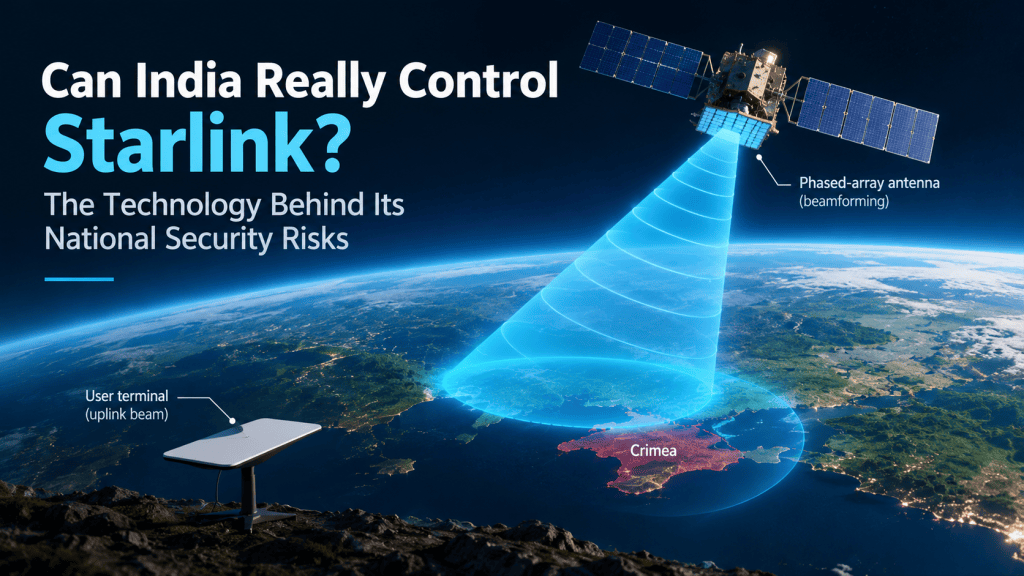
The Russia–Ukraine war has starkly exposed the strategic vulnerabilities that emerge when modern nations rely on private, foreign-controlled satellite constellations for critical national security and military communications. While commercial Low-Earth Orbit (LEO) networks like Starlink proved indispensable in keeping Ukrainian defense forces and civilian infrastructure connected following the systematic destruction of legacy terrestrial communications, the conflict has also demonstrated how operational restrictions—whether driven by corporate terms of service, regulatory compliance, or geopolitical signaling—can directly alter battlefield outcomes. At the center of this debate is a profound systemic risk: What are the long-term technical and strategic implications of allowing a private…
● Latest Articles
-

From Wasim Akram to Usman Tariq: Is Pakistan’s Bowling Factory Breaking Down?
There was a time when Pakistani fast bowling wasn’t just a skill — it was a global threat. When Wasim Akram ran in, batsmen didn’t…
-

Karma Comes Full Circle: How Pakistan’s Militant Strategy Turned Inward
Explore how Pakistan’s decades-long support for militants in Afghanistan and Kashmir has triggered a 2026 security collapse. From the Durand Line to the rise of…
-

Is Pakistan Facing a Strategic Breakdown?
For years, Pakistan’s crises have followed a familiar script: a terror attack, a military operation, a diplomatic flare-up, an IMF bailout. Turbulence, then reset. But…
-

Why Watching India vs. Pakistan Cricket Match is an Act of Hypocrisy
On January 22, 2026, the masks finally slipped. As Bangladesh officially exited the 2026 T20 World Cup citing “security concerns” in India, one country emerged…