
Synthesizing the Potential. Engineering the Future…
One blog post at a time.
● Featured Article
-
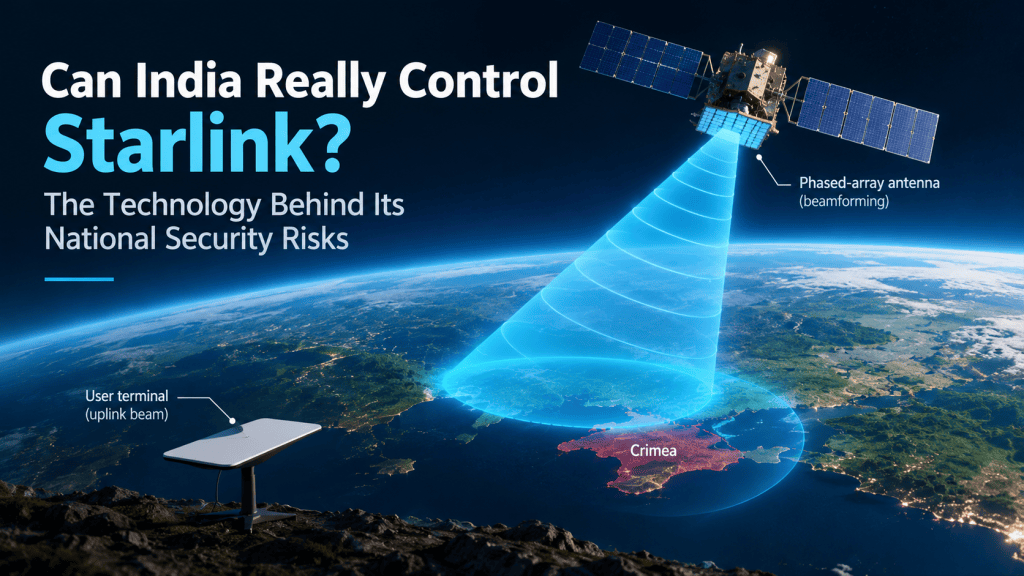
The Russia–Ukraine war has starkly exposed the strategic vulnerabilities that emerge when modern nations rely on private, foreign-controlled satellite constellations for critical national security and military communications. While commercial Low-Earth Orbit (LEO) networks like Starlink proved indispensable in keeping Ukrainian defense forces and civilian infrastructure connected following the systematic destruction of legacy terrestrial communications, the conflict has also demonstrated how operational restrictions—whether driven by corporate terms of service, regulatory compliance, or geopolitical signaling—can directly alter battlefield outcomes. At the center of this debate is a profound systemic risk: What are the long-term technical and strategic implications of allowing a private…
● Latest Articles
-

Hype vs. Reality: Will Trump’s 100% Tariffs Stop De-dollarization in 2026?
As Trump threatens 100% tariffs to save the Dollar, BRICS is building a gold-backed ‘Unit.’ Discover why US financial coercion is failing in 2026.
-

India’s Engineering Illusion: What the Galgotia AI Stunt Really Exposed
The recent AI summit controversy at Galgotias — where a Chinese-made Unitree Go2 robot dog was presented at the 2026 India AI Impact Summit as…
-

Fact vs Fiction: Border 2 and INS Khukri
The film depicts an encounter between an Indian naval frigate and a Pakistani submarine. The Indian ship is torpedoed, begins to sink—and in a final…
-

Gali Cricket on a World Stage: Pakistan’s Meltdown in T20 Worldcup 2026
The buildup to an India-Pakistan clash in the 2026 T20 World Cup followed a script we have seen played out to the point of exhaustion.…