
Synthesizing the Potential. Engineering the Future…
One blog post at a time.
● Featured Article
-
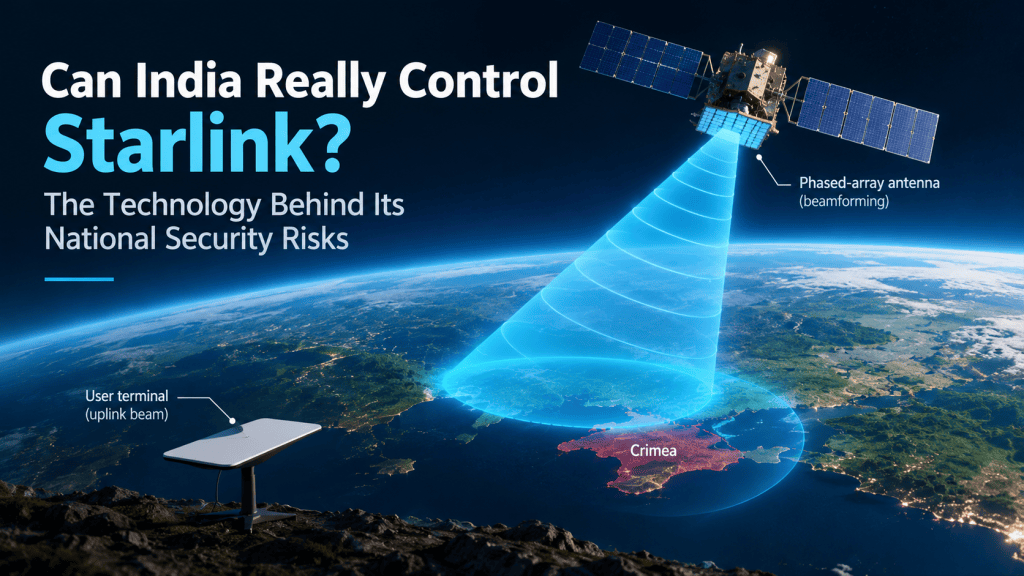
The Russia–Ukraine war has starkly exposed the strategic vulnerabilities that emerge when modern nations rely on private, foreign-controlled satellite constellations for critical national security and military communications. While commercial Low-Earth Orbit (LEO) networks like Starlink proved indispensable in keeping Ukrainian defense forces and civilian infrastructure connected following the systematic destruction of legacy terrestrial communications, the conflict has also demonstrated how operational restrictions—whether driven by corporate terms of service, regulatory compliance, or geopolitical signaling—can directly alter battlefield outcomes. At the center of this debate is a profound systemic risk: What are the long-term technical and strategic implications of allowing a private…
● Latest Articles
-

Pakistan’s T20 World Cup Boycott Ends the India-Pakistan Cricket Circus—for Good
Pakistan didn’t boycott India. It surrendered relevance. On February 2, 2026, the Pakistani state announced it would not play India in the T20 World Cup…
-

Fact vs Fiction: Border 2 and The battle of Basantar
I’ve always had a problem with “historical” war films that freely mix facts with fiction and still market themselves as true stories. Creative liberty is…
-

FPGA Clocking Fundamentals: Synchronous Design and the Importance of Determinism
In the software world, we are taught that faster is always better. When you go out to buy a processor for your laptop, you look…
-

The “Solidarity” Bluff: How Pakistan’s Obsession With India Is Breaking Its own System
January 2026 will be remembered less for cricketing drama and more for political theatre dressed up as principle. The so‑called “Solidarity” boycott—projected as a moral…