
Synthesizing the Potential. Engineering the Future…
One blog post at a time.
● Featured Article
-
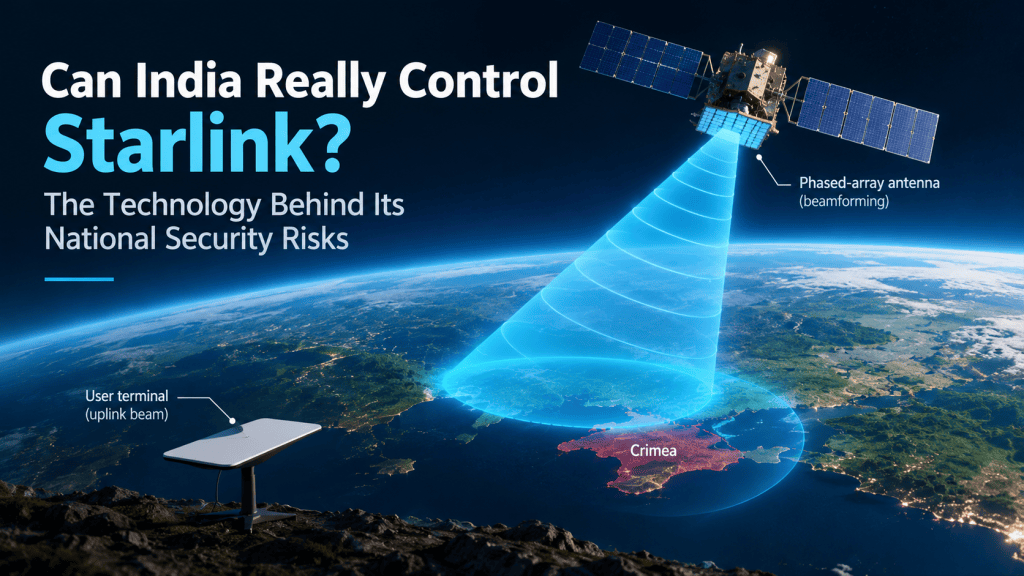
The Russia–Ukraine war has starkly exposed the strategic vulnerabilities that emerge when modern nations rely on private, foreign-controlled satellite constellations for critical national security and military communications. While commercial Low-Earth Orbit (LEO) networks like Starlink proved indispensable in keeping Ukrainian defense forces and civilian infrastructure connected following the systematic destruction of legacy terrestrial communications, the conflict has also demonstrated how operational restrictions—whether driven by corporate terms of service, regulatory compliance, or geopolitical signaling—can directly alter battlefield outcomes. At the center of this debate is a profound systemic risk: What are the long-term technical and strategic implications of allowing a private…
● Latest Articles
-

The Silent Agony of Omana Yayi: A Munambam Family’s Fight Against the Waqf Board’s Land Grab
In the serene coastal village of Munambam, Kerala, where the waves whisper tales of resilience, 68-year-old Omana Yayi sits on the edge of despair. Her…
-

Waqf Amendment Bill 2025: BJP Proves the Naysayers Wrong with a Hard-Fought Victory
In 2024, when the BJP fell short of the 272-seat mark on its own in the Lok Sabha elections, India’s elite and self-proclaimed political analysts…
-

How the Waqf Amendment Bill 2025 Could Have Stopped Tamil Nadu’s Land Heist Fiasco
Rajagopal, a 52-year-old farmer from Thiruchenthurai—a quaint village on the Cauvery River in Tamil Nadu’s Tiruchirappalli district—was over the moon after his daughter’s wedding. The…
-

India a Fascist State? Let’s fact check this Delusion
It’s apparently the latest intellectual fad to slap a “fascist” label on India, especially among self-proclaimed thinkers who love to parade their enlightenment. I’ve heard…