
Synthesizing the Potential. Engineering the Future…
One blog post at a time.
● Featured Article
-
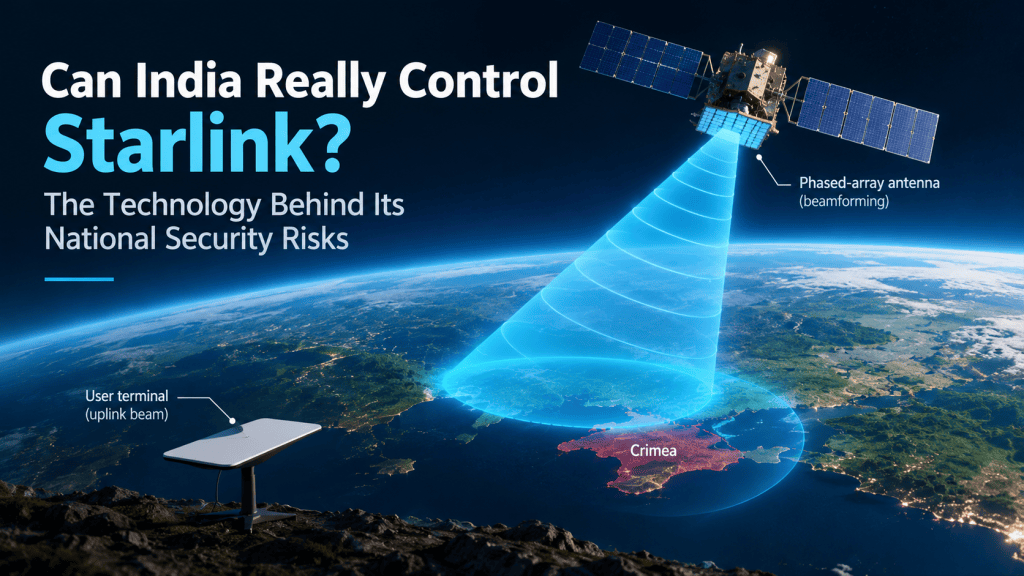
The Russia–Ukraine war has starkly exposed the strategic vulnerabilities that emerge when modern nations rely on private, foreign-controlled satellite constellations for critical national security and military communications. While commercial Low-Earth Orbit (LEO) networks like Starlink proved indispensable in keeping Ukrainian defense forces and civilian infrastructure connected following the systematic destruction of legacy terrestrial communications, the conflict has also demonstrated how operational restrictions—whether driven by corporate terms of service, regulatory compliance, or geopolitical signaling—can directly alter battlefield outcomes. At the center of this debate is a profound systemic risk: What are the long-term technical and strategic implications of allowing a private…
● Latest Articles
-

Rahul Gandhi, India’s Fake News Emperor, Unmasked once again!
Mirror, mirror on the wall, who’s the sleaziest fake news peddler in India’s rotting political gutter? Rahul Gandhi, Rahul Gandhi screams the mirror without hesitation.…
-

BLA is Getting Bolder and Fighting Harder for Baloch Independence Than Ever Before!
Pakistan’s a rotting mess, and the world’s sniffing the decay. They paraded the Champions Trophy in February 2025—India bolted, calling it a “security dumpster,” and…
-

Shama Mohamed Rohit Sharma Controversy: Congress Hypocrisy Exposed
The Shama Mohamed-Rohit Sharma controversy erupted after Congress leader Shama Mohamed remarked that the Indian cricketer looked “a bit fat” during a public event in…
-

The White House Showdown: Trump, Zelensky, and the New Cold War
The argument between Donald Trump and Volodymyr Zelensky in the White House wasn’t just a diplomatic clash—it was a brutal unveiling of America’s ugliest foreign…